Mistaking louder for better
Two recordings can seem to reveal a clear winner when one is simply louder. Extra level may make an instrument feel fuller, brighter, or more immediate, even if those qualities become less convincing once the clips are played at similar volumes. Before deciding that one guitar has more presence or one piano has greater depth, adjust the playback levels as closely as you can. Exact matching is difficult by ear, but reducing an obvious difference is a useful first step.
Do not rely only on a volume knob setting. Two files played at the same setting may still differ in loudness, especially if one has been compressed or mastered to sound more forceful. If you keep turning up the quieter example to hear its details, pause and reset the comparison. A fair listen should make it easy to focus on character rather than on whichever clip demands attention.
Ignoring the performer and the musical phrase
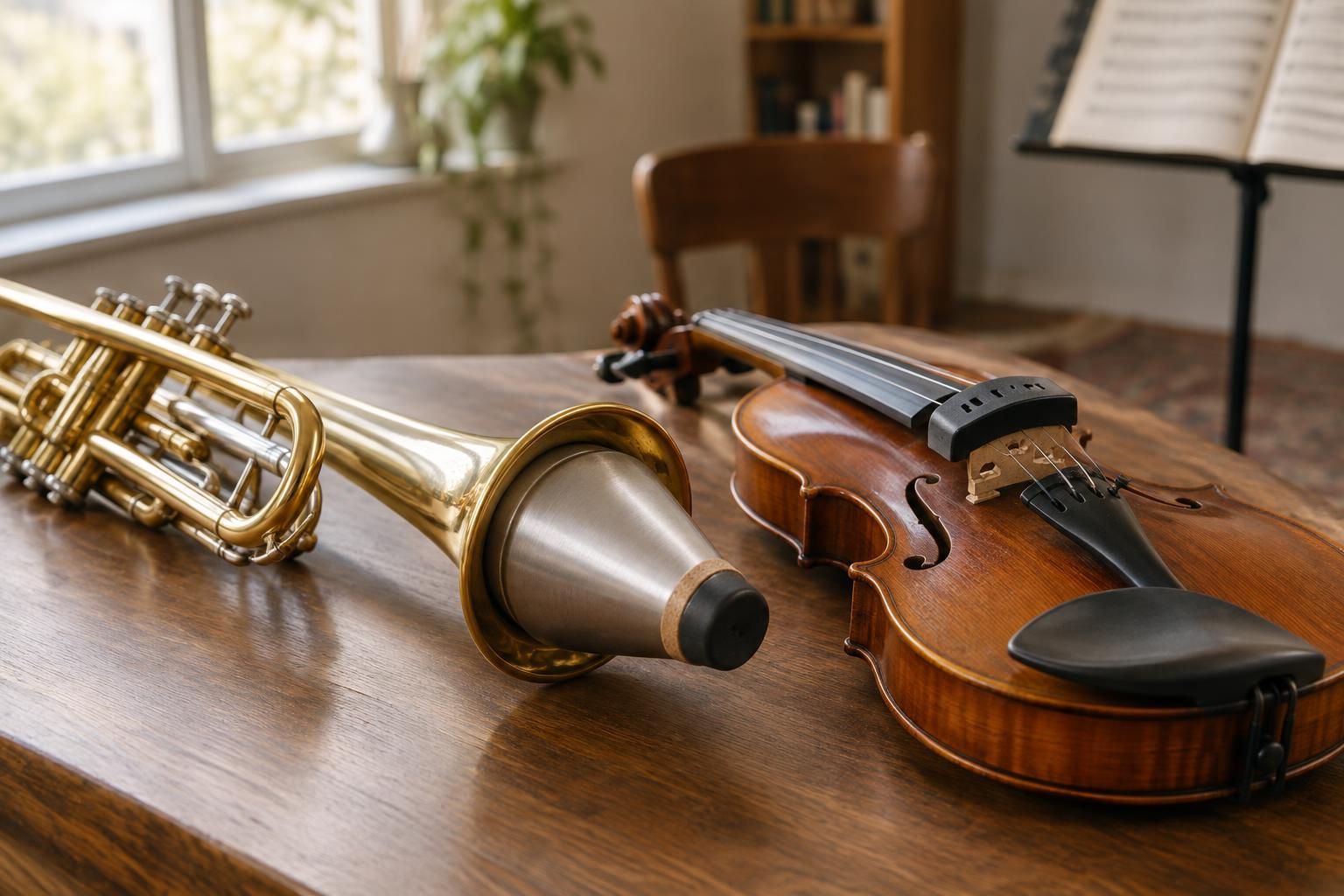
An instrument does not make a single fixed sound. A violinist’s bow pressure, a drummer’s touch, or a pianist’s choice of register can change the impression of warmth, attack, and sustain. Comparing a gentle phrase on one instrument with an energetic phrase on another may tell you more about the performances than about the instruments. Even when the same musician plays both, small differences in timing and intensity can matter.
Try to compare similar notes, dynamics, and playing techniques. Listen to how each instrument begins a note, how its sound develops, and how it fades. Then ask whether a difference appears consistently across several phrases or only in one moment. If it appears only once, describe what you heard without treating it as a permanent property of the instrument.
Forgetting the microphone, room, and production choices
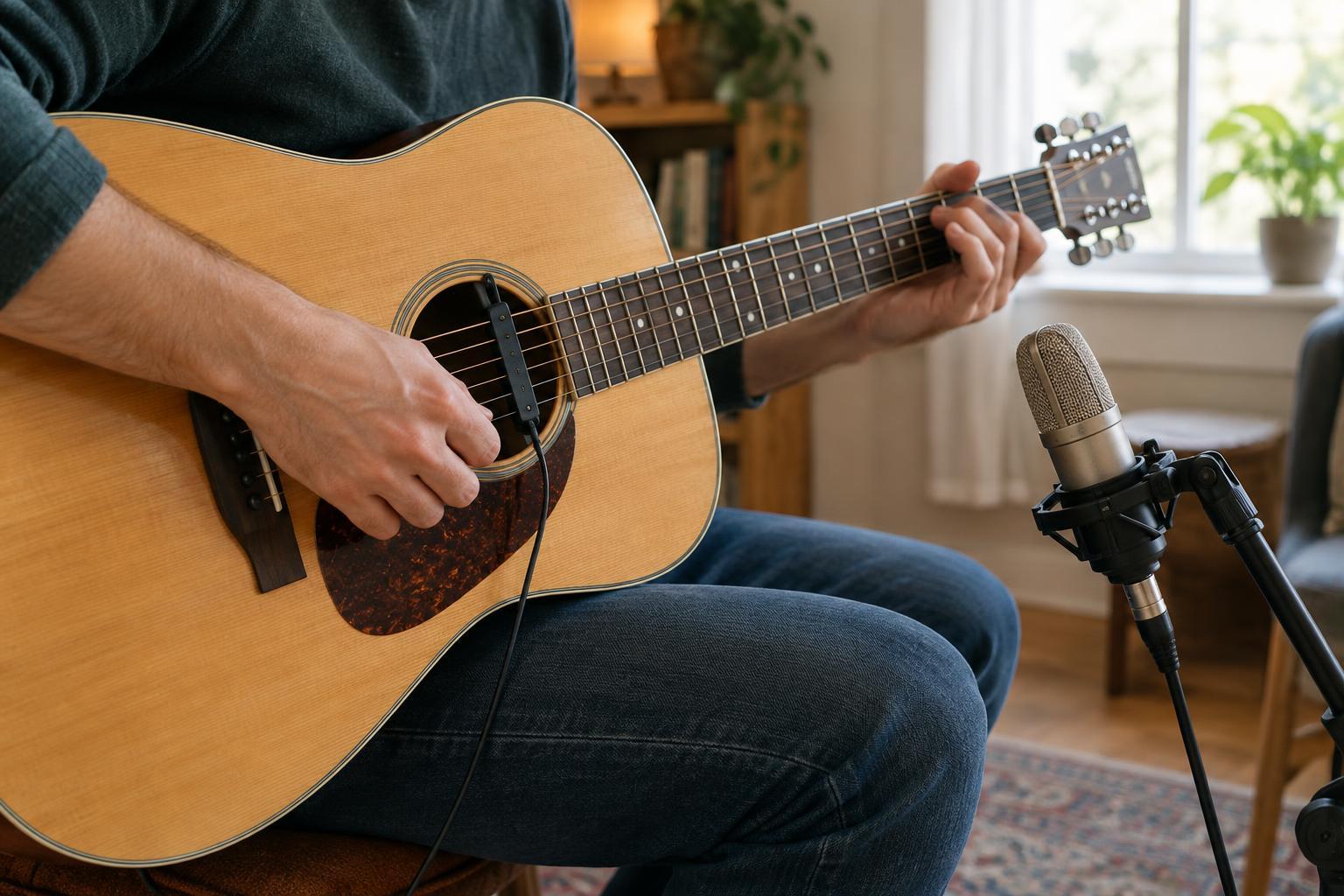
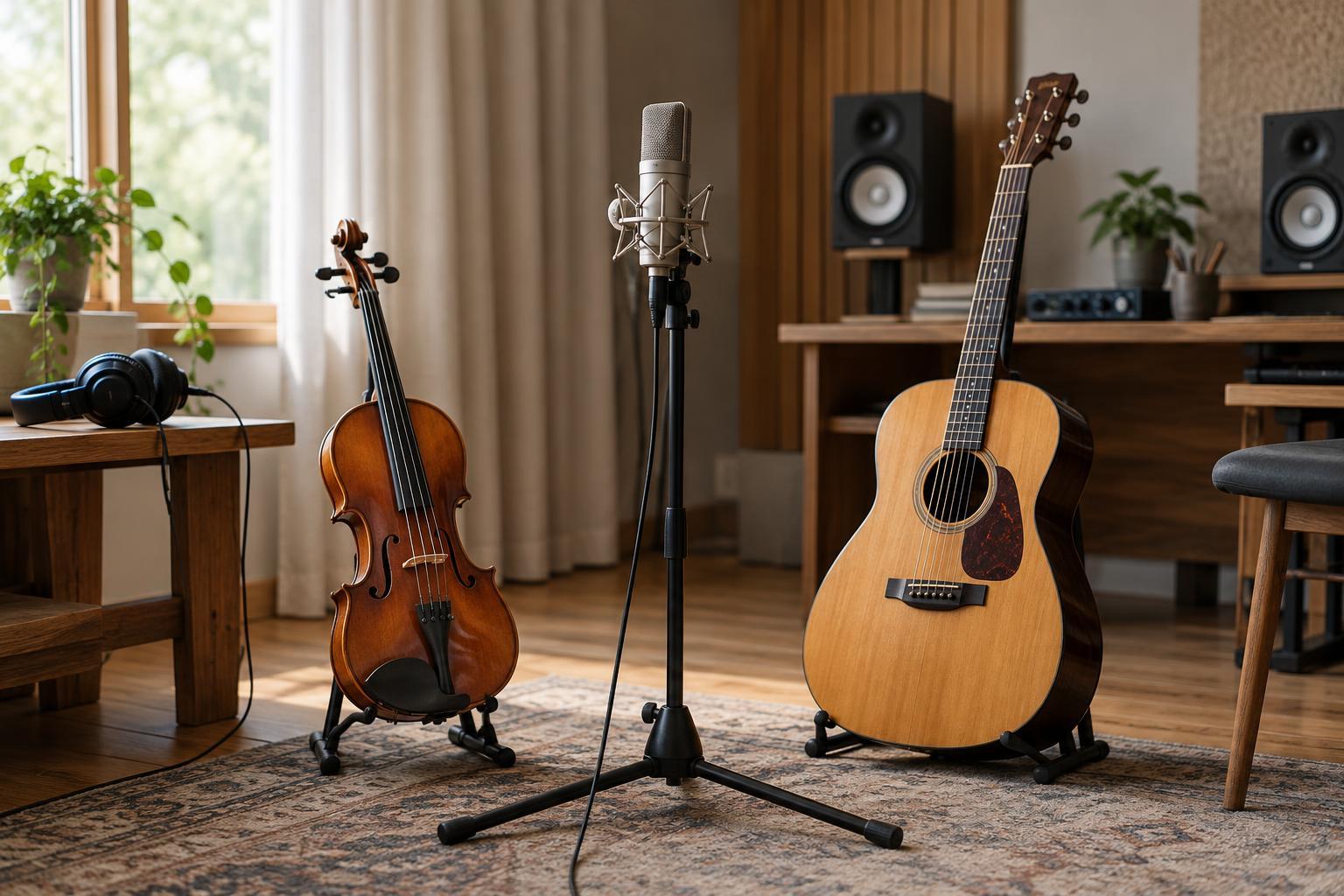
A recording is a view of an instrument, not a transparent copy of it. A microphone placed close to a guitar may emphasize pick noise and string detail; one placed farther away may capture more of the room and less of the instrument’s immediate attack. Different rooms can add reflections or make a sound seem dry. Equalization, compression, reverb, and editing can change the balance further. These choices are often part of the recording’s creative purpose.
This makes comparisons between unrelated recordings especially uncertain. A bright flute in one track and a mellow flute in another might reflect the players and instruments, but microphone placement or production could also explain much of the contrast. When possible, choose clips recorded under similar conditions. When that is not possible, compare the recorded sounds as they are and avoid claiming you have isolated the instruments themselves.
Judging an instrument only in isolation—or only in a mix
A solo recording makes subtle details easier to hear, but it does not show how an instrument works alongside others. A bass tone that seems dull on its own may provide a useful foundation beneath drums and vocals. Conversely, a sound that is striking in isolation may compete with another part when the arrangement becomes dense. Neither perspective is wrong; they answer different questions.
Decide what you want to learn before listening. If you are comparing tonal character, a clean solo passage may help. If you are choosing a sound for a song or discussing why an arrangement works, listen in context as well. Pay attention to whether the instrument remains distinct, blends with neighboring parts, or changes the mood of a phrase. Avoid calling one sound universally superior when it may simply suit a different role.
Overlooking playback conditions and rushed listening
Headphones, speakers, room noise, and playback quality can all influence what you notice. Low notes may be hard to judge on a small speaker, while a noisy setting can hide quiet attacks and decays. Switching devices halfway through a comparison introduces another variable. For a more useful test, play the clips through the same setup at a comfortable level and listen in a reasonably quiet place.
It also helps to make comparisons short and specific. Alternate between brief, similar passages rather than trying to remember the sound of one entire track while another plays. Note observations such as “sharper attack” or “longer-sounding decay” before reaching for broad labels like “better.” Return to the clips later if the distinction matters to you. Careful comparison does not remove personal taste; it gives you a clearer idea of what your taste is responding to.