Loudness and tone are related, but not identical
Play a note quietly, then play the same note loudly. The second note may seem brighter, sharper, fuller or rougher—not merely easier to hear. Loudness describes how strong a sound seems; tone describes its character. An instrument’s tone comes from a mixture of the main pitch, other vibrations, the way the note begins and fades, and sometimes the sound of the player’s movements.
Changing how forcefully an instrument is played can change that mixture. It may set more of the instrument vibrating, produce a harder initial attack or introduce sounds that are barely noticeable at a softer level. The effect varies by instrument, playing technique and room. A listener’s own hearing also matters: details in a quiet note can be harder to notice until the sound is louder. So when a note seems to change character, both the instrument and the way we hear it may be involved.
What touch does to strings and keys
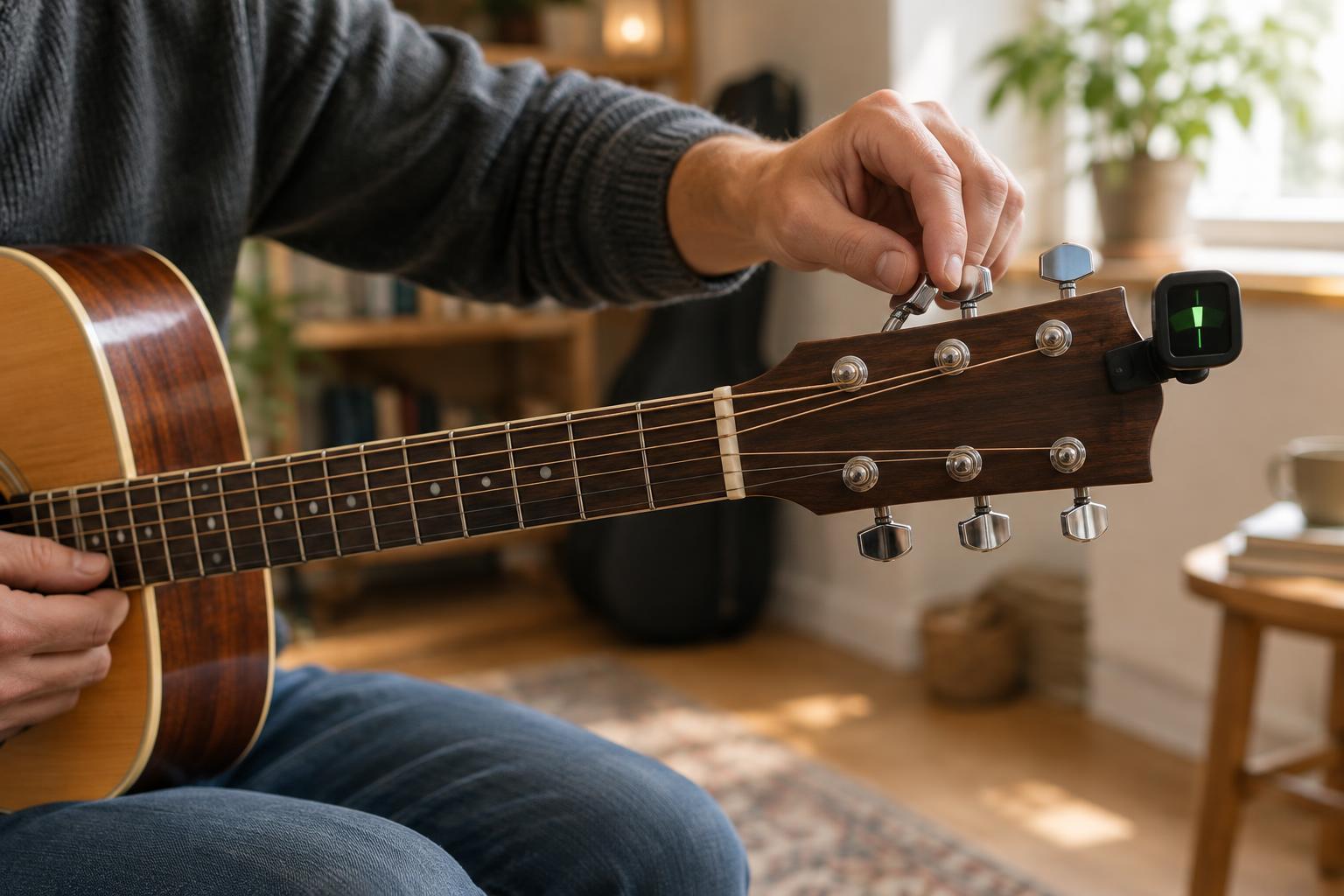
On a plucked string, a gentle release often makes a rounded note with a softer beginning. A stronger pluck can create a more pronounced snap and a brighter edge. Where the string is plucked matters too: moving a hand toward the bridge tends to emphasize a different sound than plucking near the middle. A player exploring dynamics may change hand position without realizing it, making the tonal contrast greater than a change in force alone would produce.
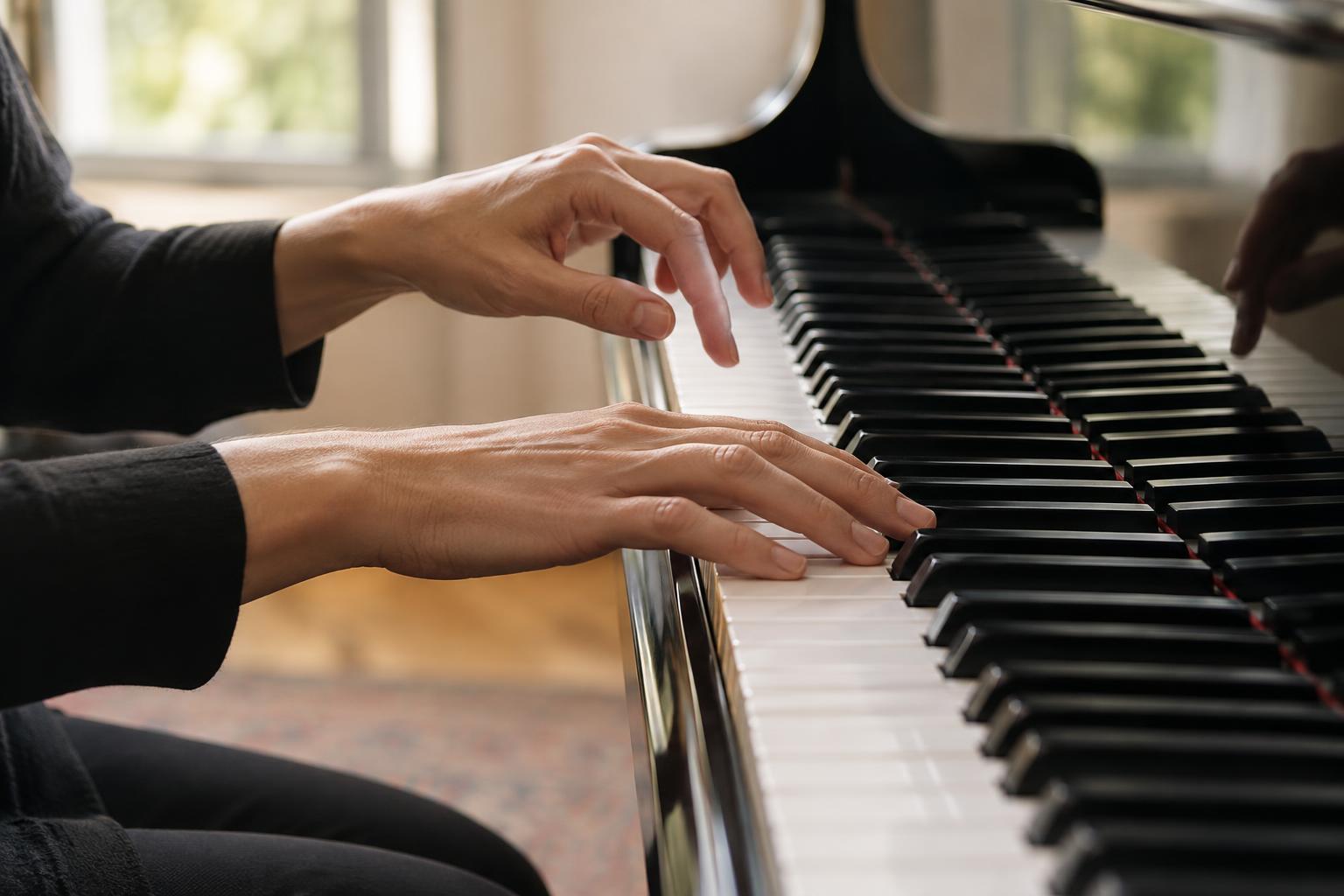
Bowed strings offer even more ways to vary the sound. Bow pressure, speed and placement work together. A light, fast bow stroke can sound airy; greater pressure may produce a denser tone or, if pushed too far, a scrape. On a piano, pressing a key moves a hammer that strikes a string. A firmer keystroke generally sends the hammer toward the string faster, often creating a stronger, brighter attack. Once the hammer has struck, holding the key down harder does not keep adding force to that sounding note.
Air, impact and the shape of a note
For wind instruments, playing louder often involves changing airflow, breath pressure, or both. Those changes can affect which vibrations stand out. A softly played flute may sound breathy, while a stronger note may have a clearer, more penetrating center. Brass players can move between mellow and brilliant sounds as their airflow and lip vibration change. Yet louder is not automatically brighter: a skilled player can adjust embouchure, articulation and air to pursue a particular tone at a chosen dynamic.
Percussion makes the importance of the first instant especially clear. Tap a drum lightly and the sound may be short and restrained; strike it firmly and the attack becomes more prominent while the drumhead vibrates differently. The striking tool and location matter as much as strength. A soft mallet, a hard stick and a hand can each give the same drum a distinct voice. Listening to the attack, rather than only the continuing sound, helps reveal what changed.
Why amplification can exaggerate the difference
An acoustic instrument sends sound directly into the room. An electric or amplified instrument adds another stage: a pickup or microphone captures the performance, and an amplifier, speaker or effects chain reproduces it. These stages can reshape the contrast between soft and loud playing. A lightly picked electric guitar note might sound clean, while a harder pick attack might push an amplifier or effect into distortion, adding a rougher, more harmonically complex edge.
The result depends on the equipment settings. Compression can reduce changes in output level while leaving some changes in attack or timbre audible. Distortion can make a small increase in playing force sound like a substantial change in texture. This is one reason a guitarist, bassist or keyboard player may use touch to move between expressive colors without reaching for a control. It is also why turning a speaker’s volume knob is not necessarily equivalent to playing the instrument harder.
A simple way to listen for tonal change
Choose one instrument and repeat a single note or short phrase at several dynamics. Keep the pitch, playing position and articulation as consistent as you can. Listen first for the beginning of each note: is it soft, sharp, breathy or noisy? Then listen to the sustained part and the decay. Does the sound become brighter, fuller or more textured as the playing grows stronger? You can record the attempts and replay them at a comfortable listening level to compare details.
Next, change one other element on purpose: pluck closer to a bridge, alter bow speed, use a different mallet or change an amplifier setting. This separates some of the effects of playing force from those of technique and equipment. The goal is not to identify a single “correct” tone. Soft and loud sounds offer different expressive possibilities: a gentle entrance can invite attention, while a forceful attack can mark a turning point. Hearing the tonal shift gives players and listeners another way to understand how an instrument tells a story.