Start with the sound you want to make
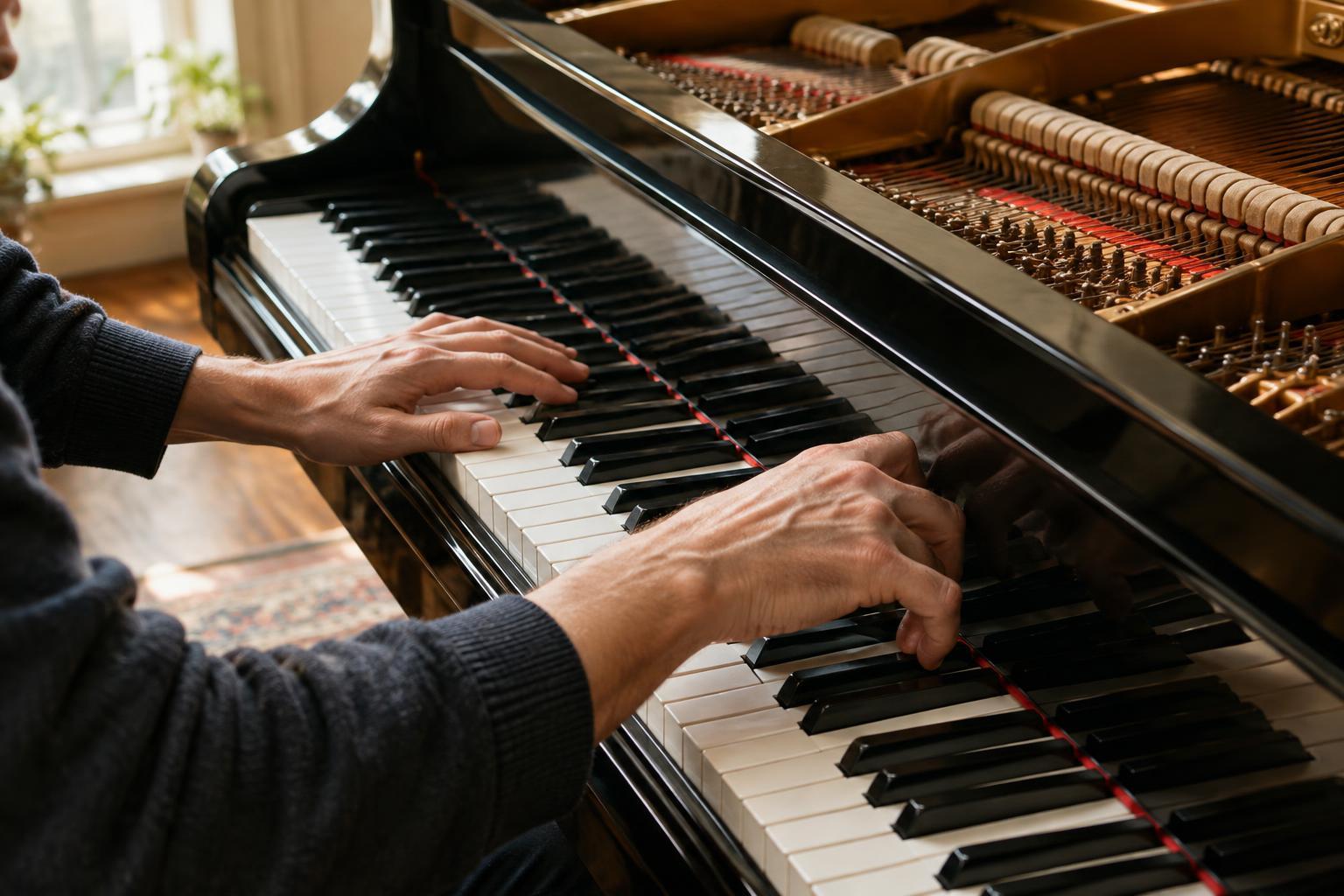
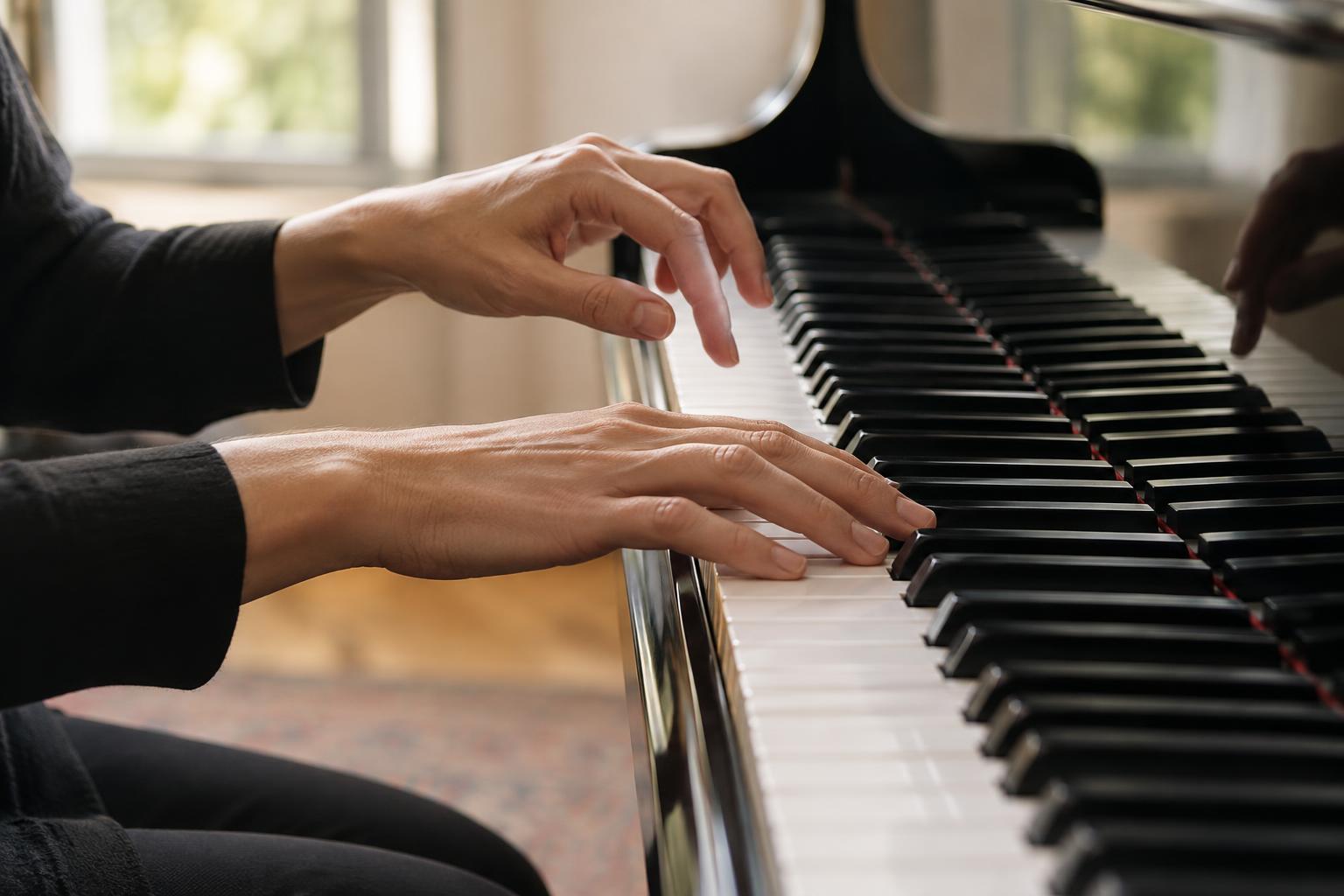
Choosing an instrument is partly a practical decision, but curiosity matters too. Think about the sounds that make you stop and listen. Do you like the clear attack of a piano key, the long tone of a bowed string, the breath in a flute, or the texture of a guitar chord? An instrument that invites you to explore may be easier to return to than one chosen only because it seems convenient.
Listen to several players using the same instrument in different settings. A violin in a solo melody may feel quite different from a violin in a group; an electric guitar can sound gentle or sharp depending on how it is played and amplified. Try to hear beginner demonstrations as well as polished performances. They can give you a more useful sense of the sounds you might make while learning.
Ask yourself what you hope to do with the instrument. Playing melodies alone, accompanying your singing, joining other musicians, and experimenting with sound all point toward different strengths. You do not need a permanent musical identity before you start, but a simple goal can narrow a long list of possibilities.
Picture the instrument in your space
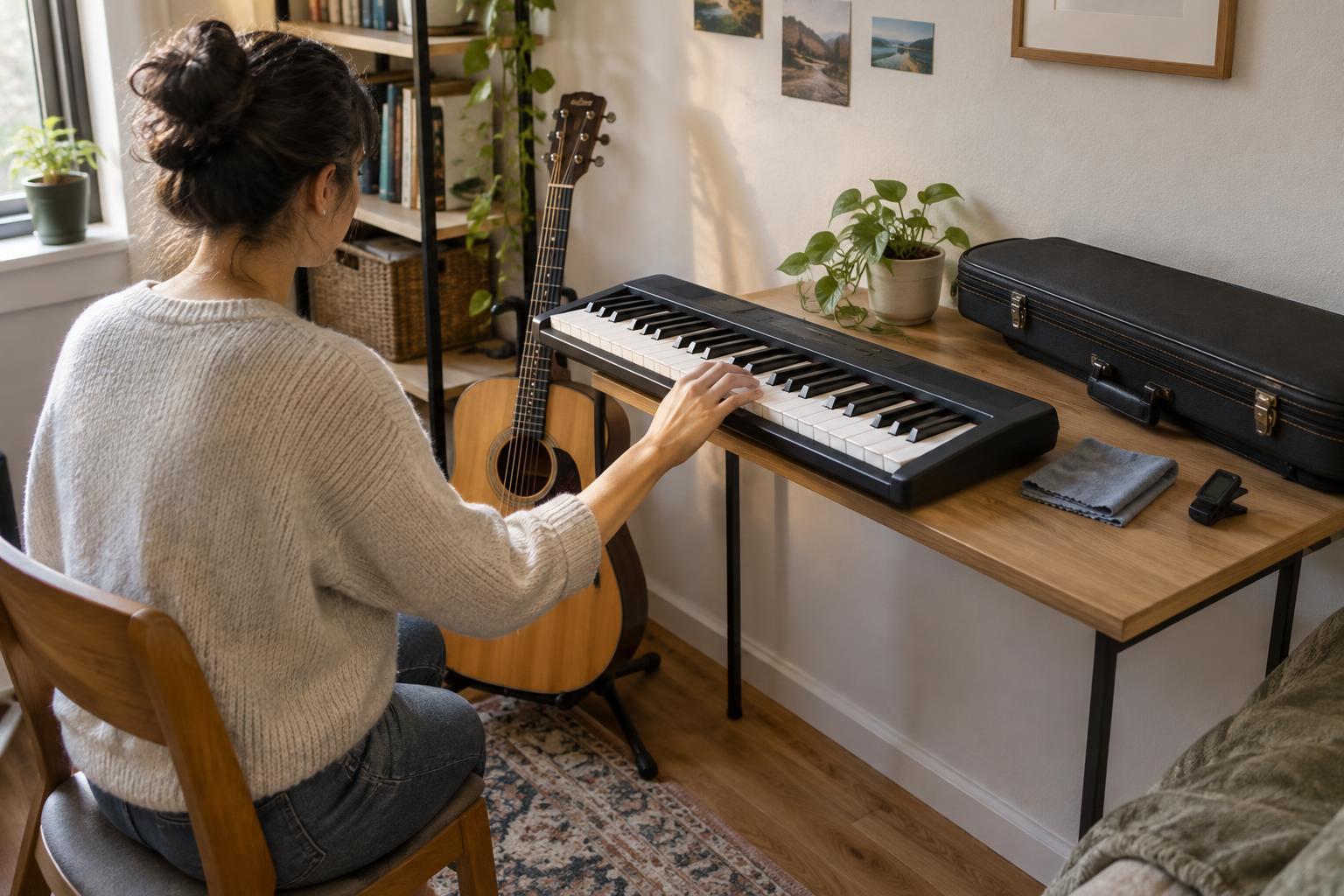
An instrument has to fit into everyday life, not just into a photograph. Consider where you would keep it, where you would play, and whether setting it up would feel easy enough to do regularly. A keyboard on a stand, for example, takes a different kind of space from a small wind instrument stored in a case. Also think about whether you would need to carry it to lessons or rehearsals.
Volume matters when you share walls or rooms. Some electronic instruments can be used with headphones, though the feel and sound through headphones may differ from playing aloud. Acoustic instruments offer their own appeal, but even a short practice session may be audible to others. If you can, test an instrument at a comfortable playing volume and consider when you would be able to practice.
Space is about more than floor area. You may need a sturdy seat, good lighting, room to move your arms, and a place to put accessories. A workable setup can make a modest first instrument more welcoming than a more elaborate one that is difficult to reach.
Look beyond the purchase price
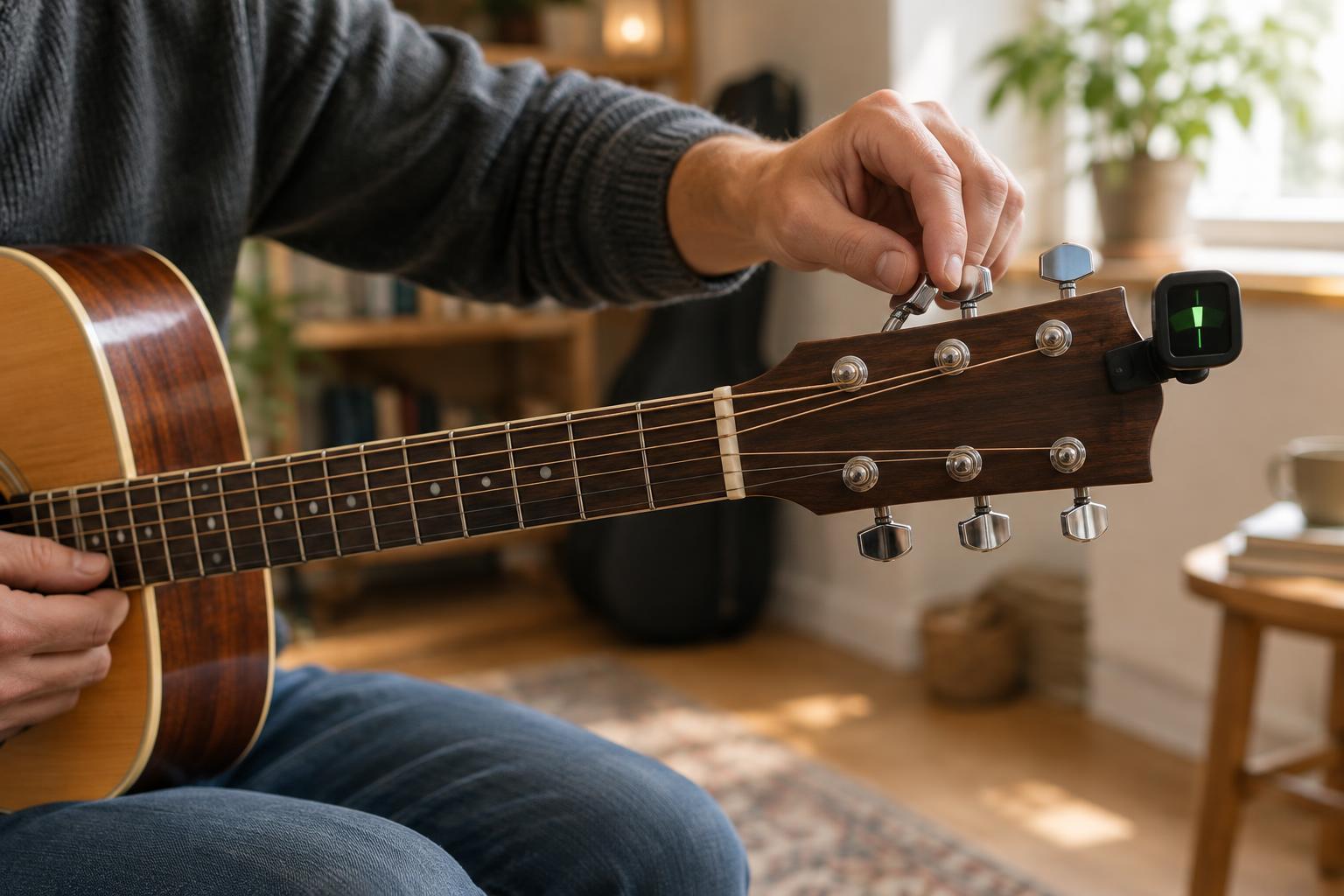
The price on the instrument is only one part of getting started. A guitar may need a tuner, picks, a strap, and replacement strings. A keyboard may need a stand or headphones. Some instruments call for reeds, cleaning supplies, a suitable case, or occasional attention from a technician. Make a short list of what you would need to begin playing, rather than pricing the instrument alone.
Renting or buying used can be worth considering if you are unsure what will suit you. With a used instrument, condition matters: something inexpensive that is difficult to tune or play can make learning frustrating. If possible, ask a teacher, experienced player, or reputable shop to help you assess it. Check what is included, whether it is ready to play, and what a return or rental agreement actually covers.
You do not need the most advanced model to find out whether you enjoy making music. Prioritize an instrument that works reliably and feels comfortable enough to practice. You can learn more about the features you value through playing than through comparing specifications alone.
Be honest about upkeep
Every instrument asks for some care. Strings wear out, moving parts may need adjustment, and instruments that collect moisture during playing need appropriate cleaning. The amount and type of maintenance vary, so ask a clear question before choosing: what will I need to do after each session, and what will need occasional service?
Storage is part of upkeep. An instrument left where it can be knocked over, spilled on, or exposed to uncomfortable conditions may not be ready when you want to play. A case or a stable place at home can help protect it. If a particular routine sounds burdensome, take that feeling seriously. The right instrument for you should be one you are willing to look after.
Try a few, then choose a starting point
If you have the chance, handle a few instruments before deciding. Notice the weight, posture, reach, and first sounds you can make. A brief trial will not tell you everything; unfamiliar instruments often feel awkward at first. It can, however, reveal whether you want to keep experimenting. A beginner lesson or a conversation with a player may help you understand what that first encounter does and does not show.
You are choosing a first instrument, not your only instrument forever. Pick an option whose sound interests you, whose practical demands you can meet, and whose first steps you are willing to repeat. As you learn to listen and play, your preferences may change. That is part of discovering what music-making can be for you.