One note, more than one vibration
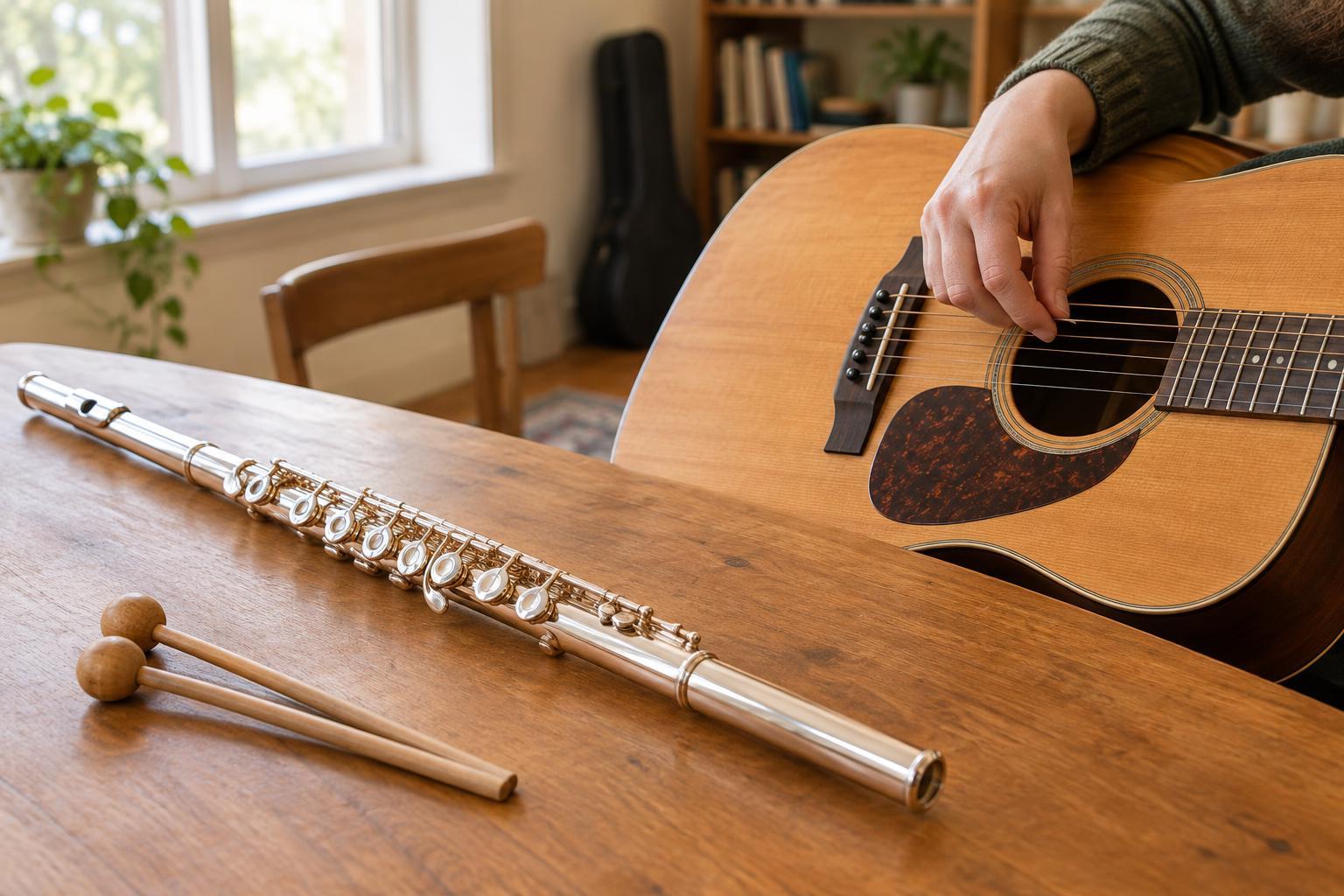
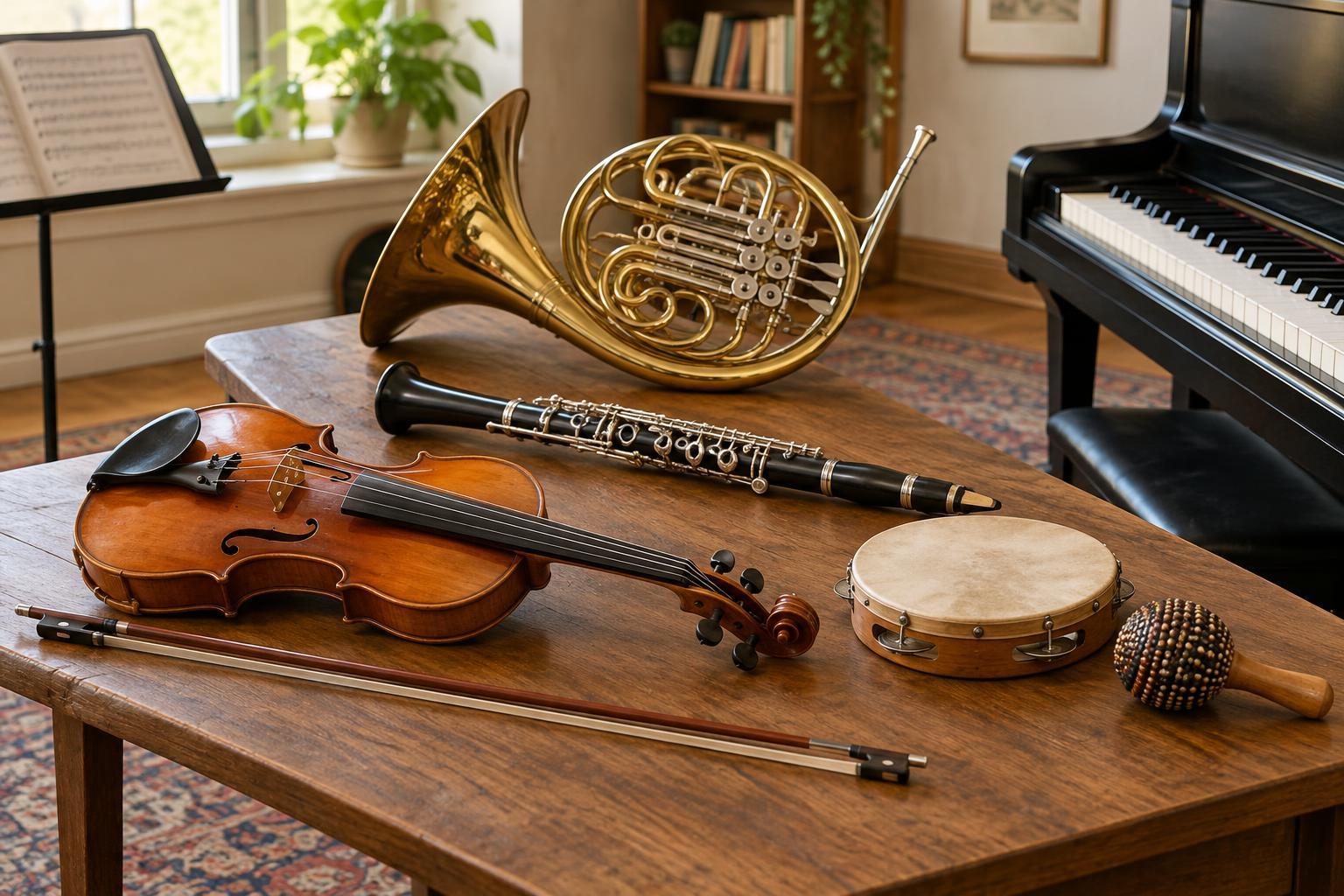
Play a note on a guitar, a piano and a flute. You may recognize the same pitch each time, yet you would be unlikely to mistake one instrument for another. Part of that difference comes from the way each instrument produces a note: alongside its main vibration, it creates other vibrations that add color to the sound.
The main vibration is called the fundamental. It usually gives us our sense of the note’s pitch. The additional frequencies above it are called overtones. They do not necessarily announce themselves as separate notes. More often, they blend with the fundamental, making a sound seem bright, mellow, buzzy or clear. Hearing a note as a single thing is useful, but it can hide how much is happening inside it.
How overtones form
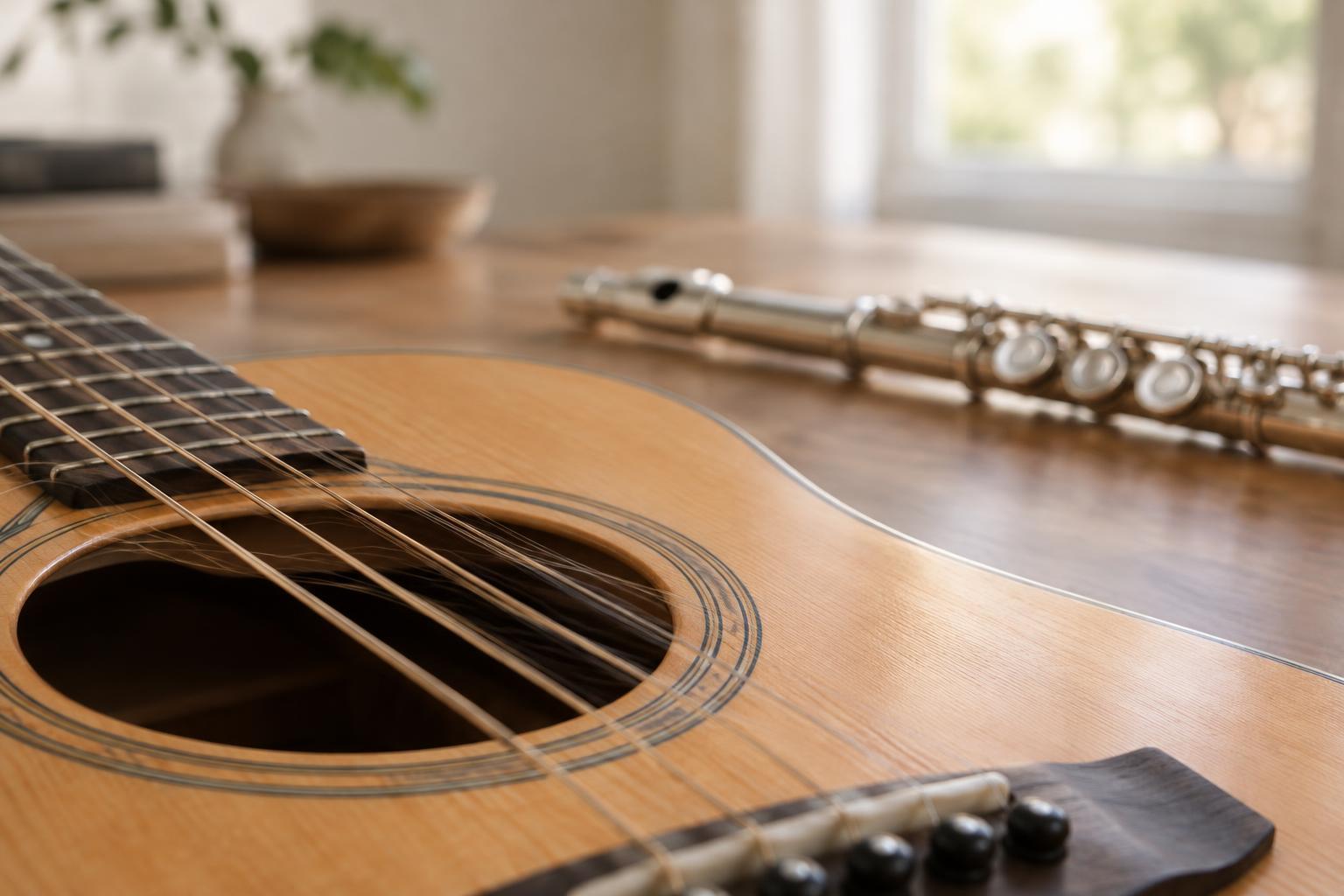
Imagine a guitar string vibrating from end to end. That full-length motion produces its fundamental frequency. At the same time, the string can vibrate in smaller sections: halves, thirds, fourths and so on. Each pattern contributes another frequency. Frequencies that fall at whole-number multiples of the fundamental are called harmonics. The first harmonic is the fundamental itself; the higher harmonics are overtones.
Other instruments create layered vibrations in different ways. A column of air vibrates inside a flute or clarinet, while a drumhead vibrates across a surface. Not every overtone fits neatly into the harmonic series. Some percussion sounds contain prominent frequencies that are not whole-number multiples of a fundamental. This helps explain why a bell or cymbal can have a more complex sense of pitch than a plucked string. In everyday conversation, people often use “overtones” and “harmonics” interchangeably, but “overtones” is the broader term.
Why instruments sound different on the same pitch
An instrument’s character depends partly on which overtones are strong and which are faint. A sound with relatively strong upper overtones may seem bright or sharp; one with less upper-frequency energy may seem softer or rounder. These are listening descriptions, not fixed rules. The room, the instrument and the way it is played all influence what reaches your ears.
The balance also changes over the life of a note. A plucked string begins with a brief, lively attack and then fades. A bowed string can keep receiving energy as the bow moves, allowing its tone to evolve. Strike a piano key gently and then firmly, and you may hear changes in both loudness and character. Overtones help account for these differences, but they are not the whole story: the initial click, scrape or breath of a note also helps us identify its source.
Ways to listen for the layers
Start with a sustained sound, such as a held vocal vowel or a long note from an instrument. Listen first for the pitch you would hum back. Then shift your attention to the sound above it. Does it have a thin, ringing edge, a breathy quality or a nasal buzz? You do not need to identify individual frequencies to notice the blend. Comparing two instruments playing similar pitches can make their contrasting overtone patterns easier to hear.
A guitar offers a more direct demonstration. Lightly touch a string above its midpoint, pluck it, and lift your finger. When the touch is light and well placed, a clear, higher-pitched tone can ring out: a string harmonic. Try the same gentle technique at other points along the string and listen for changes. If it produces a dull click instead, adjust your finger position or pressure rather than plucking harder. Keep the volume comfortable and treat the exercise as an invitation to explore, not a hearing test.
Using overtones as a creative clue
Once you begin noticing overtones, you can use them to make more deliberate musical choices. A songwriter might pair a soft voice with an instrument whose bright edge leaves the vocal tone distinct. An arranger might choose a muted sound for a crowded passage and a more ringing one for a moment that needs to stand out. Even a change in playing technique can alter the layers within a note without changing the melody.
Overtones are one reason sound can carry so much character through a simple pitch. They do not tell us what a listener must feel, and their effect depends on the surrounding music. They do, however, give us a useful question to ask whenever an instrument catches our attention: beyond the note I can sing, what else am I hearing?