Find the song’s central idea
A hook is the part of a song that invites recognition. It might be a sung phrase, an instrumental figure, a rhythmic pattern or a combination of these. It does not have to be the loudest moment or even appear in the chorus. What matters is that it gives the listener a clear point of return.
Before writing one, describe the song in a sentence: What is happening, and what feeling or question keeps coming back? A song about waiting for someone might center on a small, repeated request. A song about leaving could hinge on a phrase that sounds decisive even while the verses reveal doubt. This core idea gives you a way to judge potential hooks. Does the phrase belong to this song, or could it fit almost anywhere?
Try speaking several versions of the idea aloud before setting them to music. Notice which words you naturally emphasize. Those stresses can suggest both a rhythm and a melodic shape. A useful hook often feels simple on its own but gains meaning as the rest of the song puts it in context.
Give the melody a recognizable shape
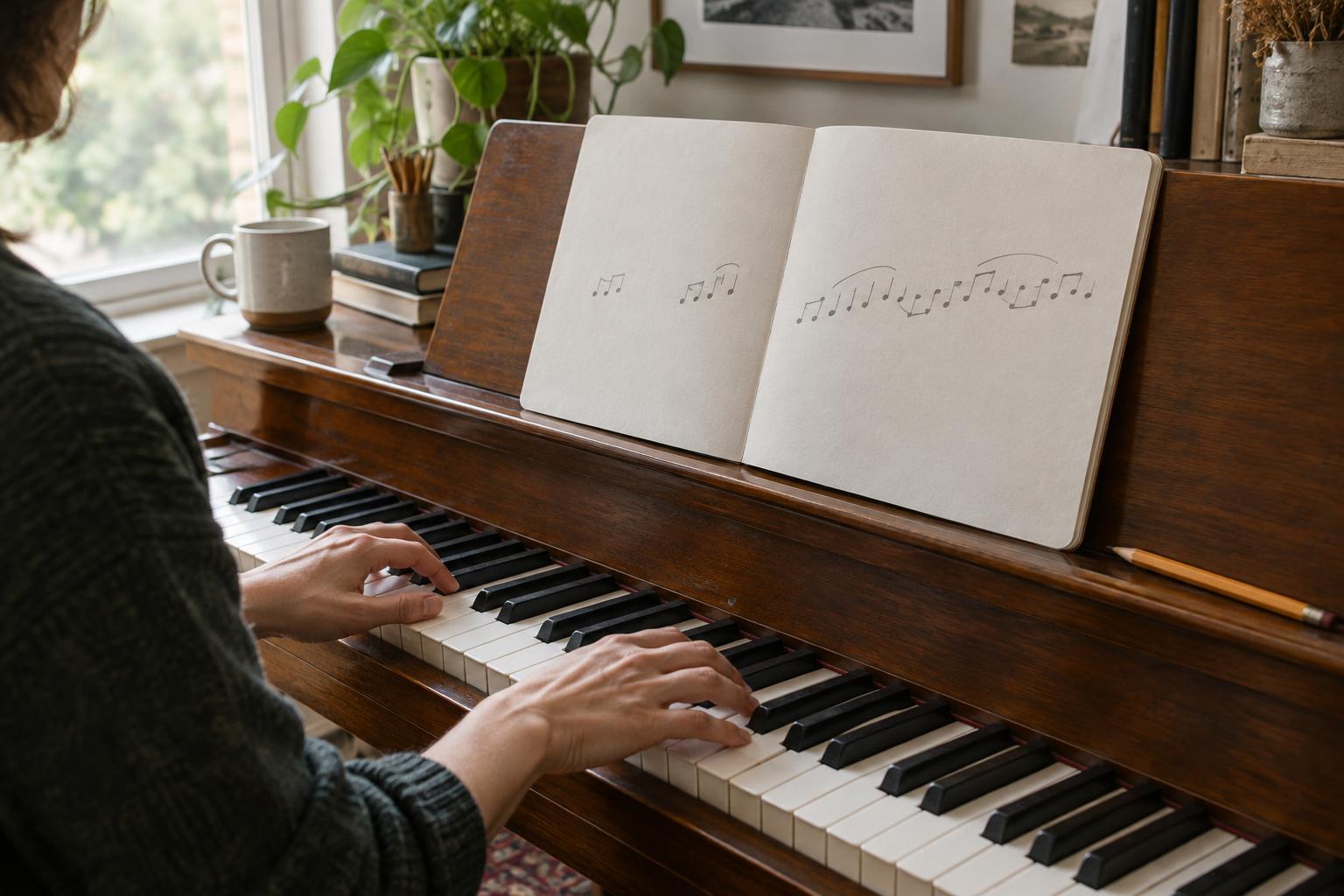
You do not need a wide vocal range to make a melodic hook distinctive. A short phrase can stand out through its contour: perhaps it climbs in small steps and then drops, stays on one note before making a leap, or ends somewhere the listener does not quite expect. Sing a few variations over the same chords and compare their shapes rather than trying to choose the most elaborate one.
Rhythm can do as much work as pitch. Try placing the main word just before the beat, leaving a brief pause before the phrase begins, or stretching one syllable longer than the others. Then test a plainer version. The goal is not to make every note surprising; a familiar pattern with one clear twist may be easier to grasp.
Consider where the melody sits in relation to the verse. If the verse moves quickly through many notes, a hook with longer tones may feel like an arrival. If the verse is spacious, a compact, driving phrase can create a change of energy. Contrast helps a listener notice the hook without requiring you to make it louder.
Choose words that sound as good as they mean
A lyrical hook needs to work in the mouth as well as on the page. Short, direct language is often easier to sing and recognize, but simple does not have to mean vague. Compare a broad statement about missing someone with a concrete image from the song’s setting. An image can carry the feeling while giving the listener something specific to remember.
Pay attention to vowels and consonants when you pair words with notes. A sustained note may feel easier on an open vowel, while crisp consonants can give a fast phrase definition. Sing the line at the intended tempo: a sentence that reads smoothly may feel crowded when sung. If you have to rush an important word, consider removing a less important one or changing the rhythm.
Repetition can strengthen a phrase, but it need not be exact every time. A recurring line can take on a different meaning after each verse adds information. You can also keep most of the phrase steady and change its final word. That balance of recognition and development can help the hook serve the story rather than interrupt it.
Use arrangement to frame the hook
A promising hook can disappear if every instrument competes for the same space. When the phrase arrives, try simplifying the accompaniment, changing the drum pattern or letting one instrument double a small part of the melody. Even a moment of silence beforehand can make the entrance more noticeable.
An instrumental hook can carry an idea between vocal sections. It might answer the singer’s line, return after each chorus or introduce the song before any words appear. Think about its relationship to the vocal hook: do they share a rhythm or compete for attention? If both are busy, try giving them separate moments.
You can test the arrangement with a rough recording. Listen once for the song’s overall flow, then listen specifically for the hook’s entrance and exit. Ask whether you can tell when it is coming back and whether each return feels earned. Sometimes the most effective change is not adding another layer but making room for the idea already there.
Revise for recall and connection
After a writing session, step away and see which phrase you can sing back without checking the recording. That is one useful test, though it is not the only measure of a good song. A hook that is easy to recall but unrelated to the verses may still need work. Check whether the surrounding lines prepare for it or give it new significance.
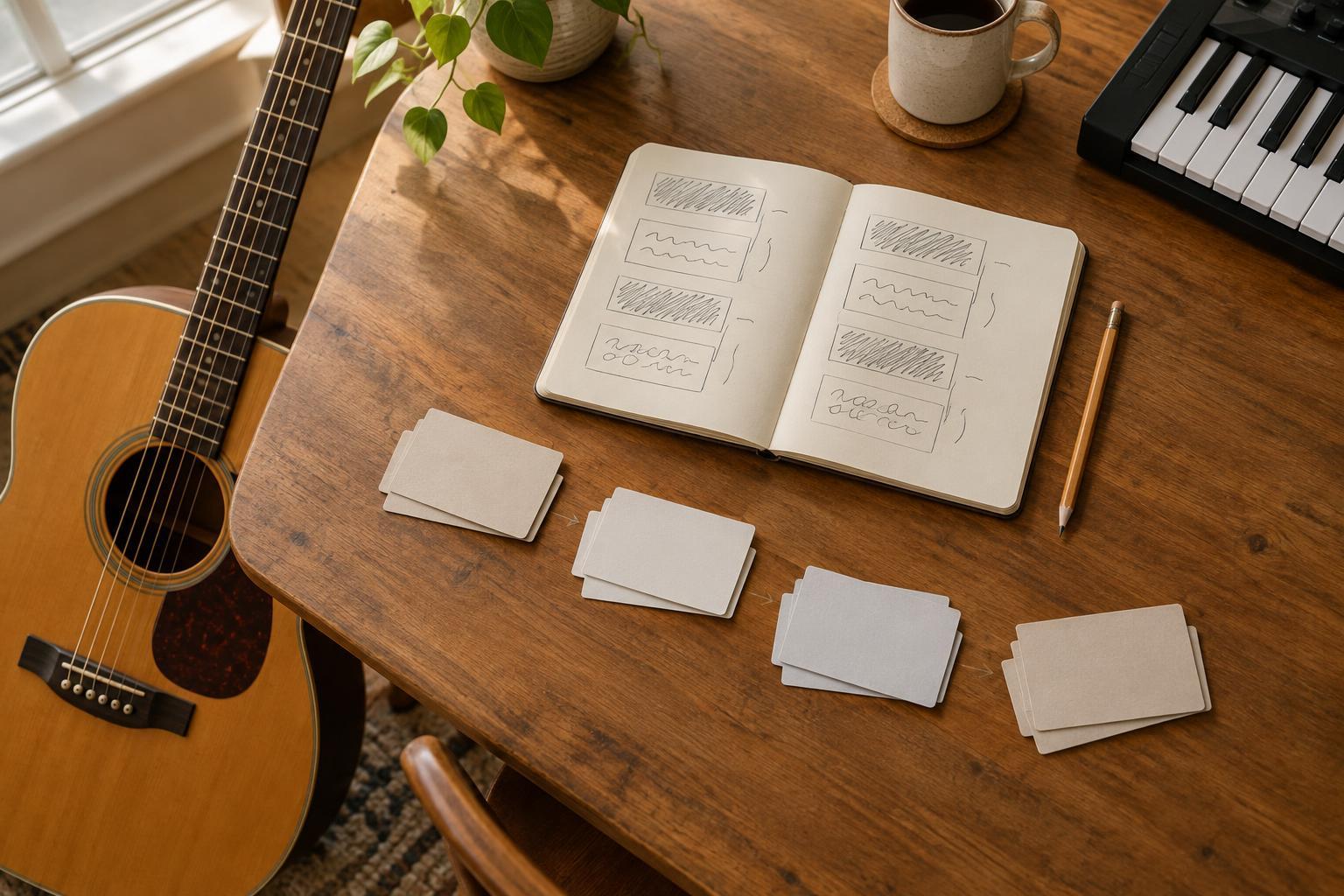
Make small revisions one at a time. Change the rhythm while keeping the words, try a different final note, or remove half of an instrumental figure. Record each version so you can compare it later. If a simpler version feels stronger, trust that result; complexity is a tool, not a requirement.
A memorable hook gives the listener a way into the song, not a substitute for the song itself. When melody, language and arrangement point toward the same central idea, a short phrase can feel both immediately recognizable and worth hearing again.