Nostalgia is not a sound with one recipe
A song can make you feel as though you have stepped into an earlier version of your life. Sometimes the connection is obvious: it played on a family car radio or at a school dance. Other times, a new song seems to recall a time you never experienced. These are different routes to a similar feeling. One runs through a listener’s history; the other may draw on familiar ways of portraying the past.
No chord, instrument or recording effect guarantees nostalgia. A sound that evokes an old photograph for one listener may sound ordinary, cheerful or unfamiliar to another. It helps to ask two questions separately: What in the music suggests distance or remembrance? And what do I bring to it from my own life?
How the music can suggest looking back
A gentle tempo, a restrained performance or a melody that returns with a small change can give a song a reflective quality. Harmony matters, too: a passage may move between brightness and tension without settling neatly into either. That mixture can resemble the way people talk about the past—with warmth for what was good and awareness that it is gone. These are possibilities, not rules. The same musical choices could support a lullaby, a love song or a quiet scene in a film.
Repetition can make time feel audible. When a familiar chorus comes back after a contrasting verse, you may hear it differently because of what has happened in between. A songwriter can heighten that effect by leaving a pause before the return, changing one line or thinning the arrangement. The notes may be familiar, but their context has shifted.
Lyrics can make remembrance explicit without naming an emotion. A remembered room, a voice on the phone or a route home gives listeners something concrete to imagine. Yet lyrics are not required. An instrumental piece can leave enough space for listeners to supply their own places and people.
Recording texture and the idea of an era
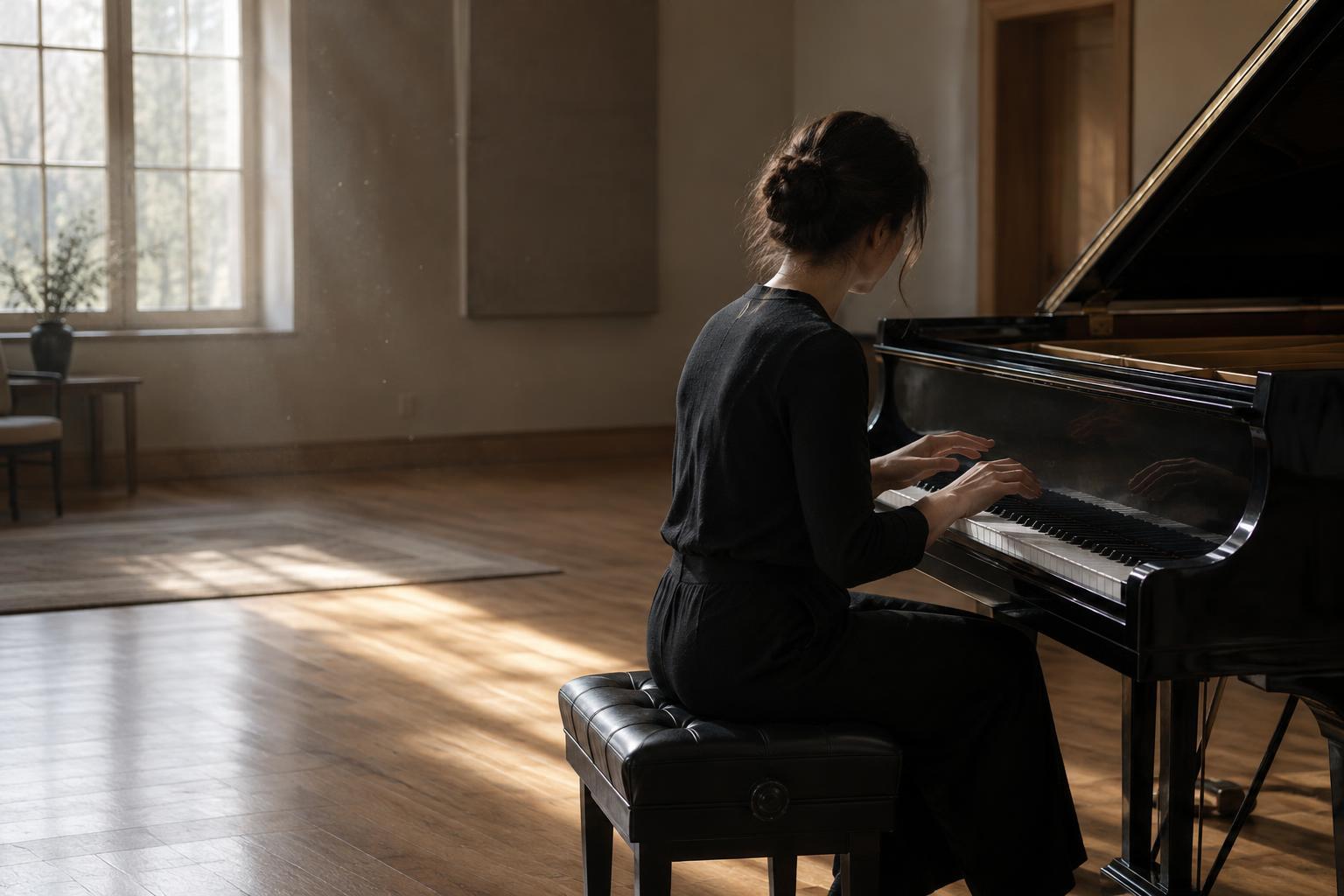
Production offers another set of cues. Tape-like wobble, softened high frequencies, audible room sound or an instrument strongly associated with a particular style can make a recording seem removed from the present. Even the sense that musicians are sharing one physical space can invite a listener to picture a different way of making music. Modern artists can use such textures deliberately; an aged sound does not prove that a recording is old.
These cues also depend on what a listener has encountered. Someone who grew up with a certain keyboard tone may connect it to a household or a decade. Someone younger may know the same tone mainly from films, games or contemporary songs that imitate earlier styles. In that case, the music may evoke an imagined past rather than a remembered one. Both reactions are meaningful, but they do not come from the same source.
Why your own history changes the song
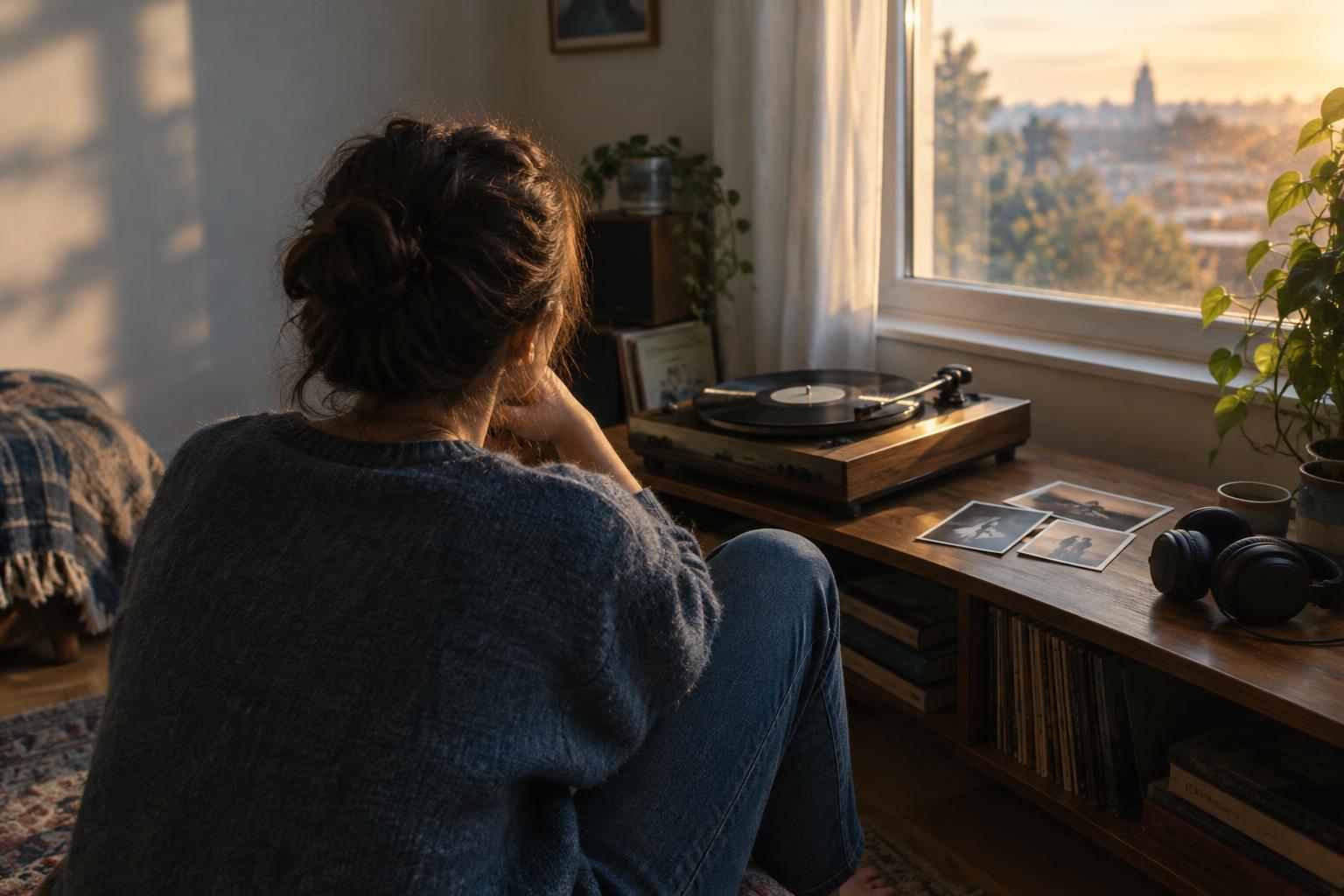
Personal association can overpower almost any musical cue. An upbeat, polished track might feel bittersweet if it accompanied a goodbye. A sparse, melancholy song might feel comforting if a friend used to play it. The association is not necessarily contained in the composition; it formed through repeated listening, a memorable event or the people who were nearby.
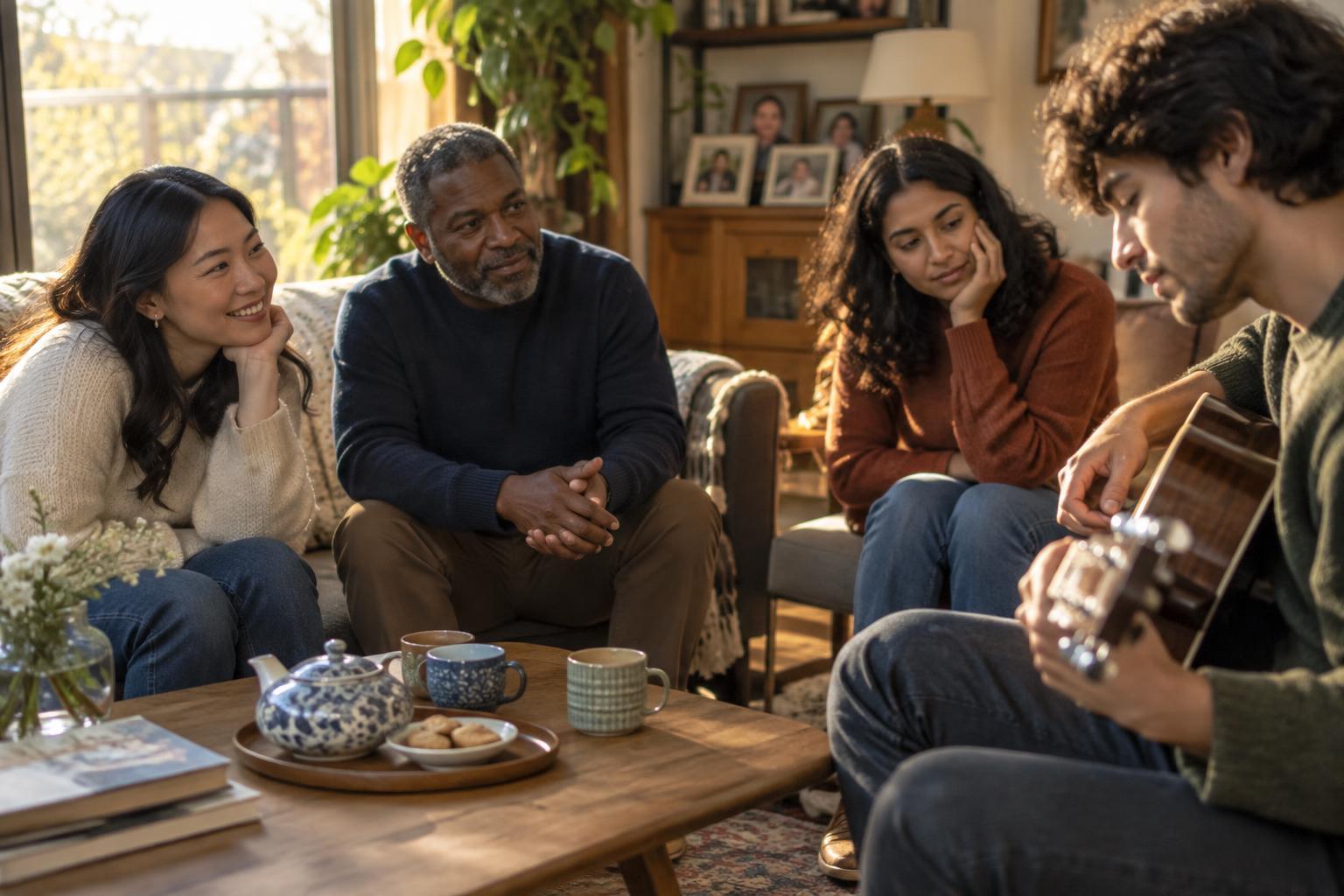
Context can change from one listen to the next. Hearing a song alone on headphones is different from hearing it unexpectedly in a shop. A familiar opening may bring back not just an event but a detail you had not thought about in years, such as the weather or the sound of a particular room. Another listener, hearing the identical recording, has no access to those details. That is why disagreement about whether a song is “nostalgic” need not be a disagreement about what is audible.
A way to listen for both
Choose a song that feels nostalgic to you and listen to it twice. On the first pass, note what is actually present: tempo, recurring phrases, instruments, vocal delivery, lyrics and recording texture. Try to describe those features without using the word “nostalgic.” On the second pass, notice what you remember or imagine. Is it a specific occasion, a broader period of life or a scene the song seems to invent?
Then try a song you do not know that uses similar sounds. If it still feels nostalgic, the musical cues may be doing much of the work. If it does not, your connection to the first song may matter more. You do not have to choose one explanation for every reaction. The distinctive power of music often lies in the meeting between what the recording offers and the history a listener brings to it.