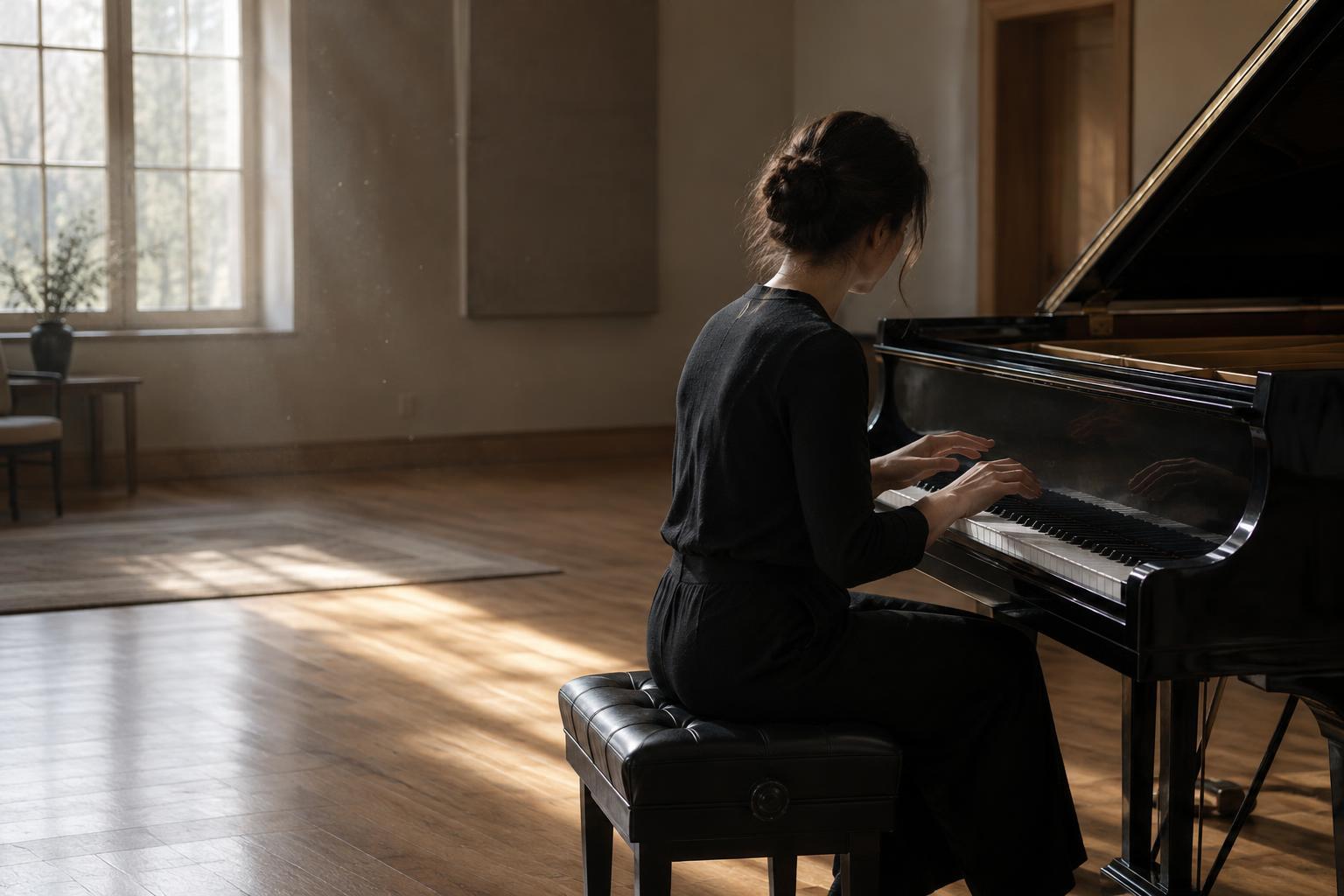
The feeling is not only in the sound
A slow melody might sound wistful to one listener and peaceful to another. A loud, fast rhythm might suggest excitement, urgency or even irritation. Tempo, timbre, volume and phrasing all offer clues, but they do not deliver a single emotion that every listener must hear. What we feel also depends on where we have encountered similar sounds and what those encounters have meant to us.
Consider a piece played regularly at a community celebration. For people who know that gathering, its opening notes may bring anticipation before a lyric is sung. Someone hearing it for the first time may notice the same bright instruments without sensing the occasion attached to them. Neither response is a failure to hear the music. The listeners are bringing different histories to the same performance.
This is one reason descriptions such as “happy” or “sad” can be useful starting points but poor final answers. They name a possible reaction, not a fixed property of a song. Asking what shaped that reaction can make listening more interesting than trying to settle on one correct feeling.
Shared occasions give sounds a role
Music becomes meaningful partly through use. A song heard at family gatherings may carry warmth or embarrassment, depending on the listener’s experience. Music associated with a ceremony may invite quiet attention, even if its rhythm or instrumentation would sound festive in another setting. The occasion teaches people how to approach the sound: whether to dance, sing along, sit still or remember someone.
Those associations can be widely shared without being identical. People within the same community do not all have the same memories, tastes or relationship to a tradition. A familiar song may represent belonging to one person and an expectation they would rather leave behind to another. Cultural context matters, but it should not be used to predict an individual’s response.
Context can also change when music moves. A tune heard live among participants offers different cues from the same tune playing faintly in a shop or appearing in a film. The arrangement might be unchanged, yet the surroundings suggest new ways to listen. Noticing where a piece appears helps explain why its emotional effect may shift.
Listening habits shape what stands out
We learn patterns by hearing them repeatedly. Familiar combinations of voice, rhythm and instruments can set up expectations about what comes next. When music follows those expectations, it may feel reassuring; when it departs from them, it may feel surprising or unsettled. A listener unfamiliar with the style might instead focus on a texture, a pulse or a vocal gesture that an experienced listener barely notices.
Words add another layer. Understanding a lyric can pull attention toward its story, while an unfamiliar language may draw attention to the singer’s timing and tone. Neither way of listening is more complete in every situation. A translation might clarify an image or an address to someone, but it may not convey the memories and local references that regular listeners bring to the song.
Even instrument sounds can carry learned associations. A bell, drum or plucked string may recall a particular setting for one listener and simply sound intriguing to another. It helps to distinguish the sound itself from the meanings attached to it. That distinction leaves room to appreciate a performance without assuming that our first impression tells its whole story.
A more curious way to listen
When a piece from an unfamiliar tradition moves you, begin with what you can actually hear: the pace, the spaces between phrases, the relationship between voice and accompaniment. Then treat your emotional response as a question rather than a verdict. You might ask, “What about this feels tender to me?” instead of declaring, “This is a tender song.” The shift is small, but it makes room for other interpretations.
If a trusted description of the piece or a conversation with someone who knows it is available, use it to add context rather than to replace your own listening. What is the music used for? Are people expected to join in? Does a particular passage carry significance that would be easy to miss? Such questions are especially helpful when a recording has been separated from the setting in which it is usually heard.
You can try the same exercise with music you know well. Listen to a familiar song once while recalling your own memories, then again while concentrating on its arrangement and performance. Notice what changes. Cultural context does not make musical feeling less genuine; it helps explain why a few sounds can hold so much meaning—and why someone beside you may hear something else.