What happens in a spotting session?
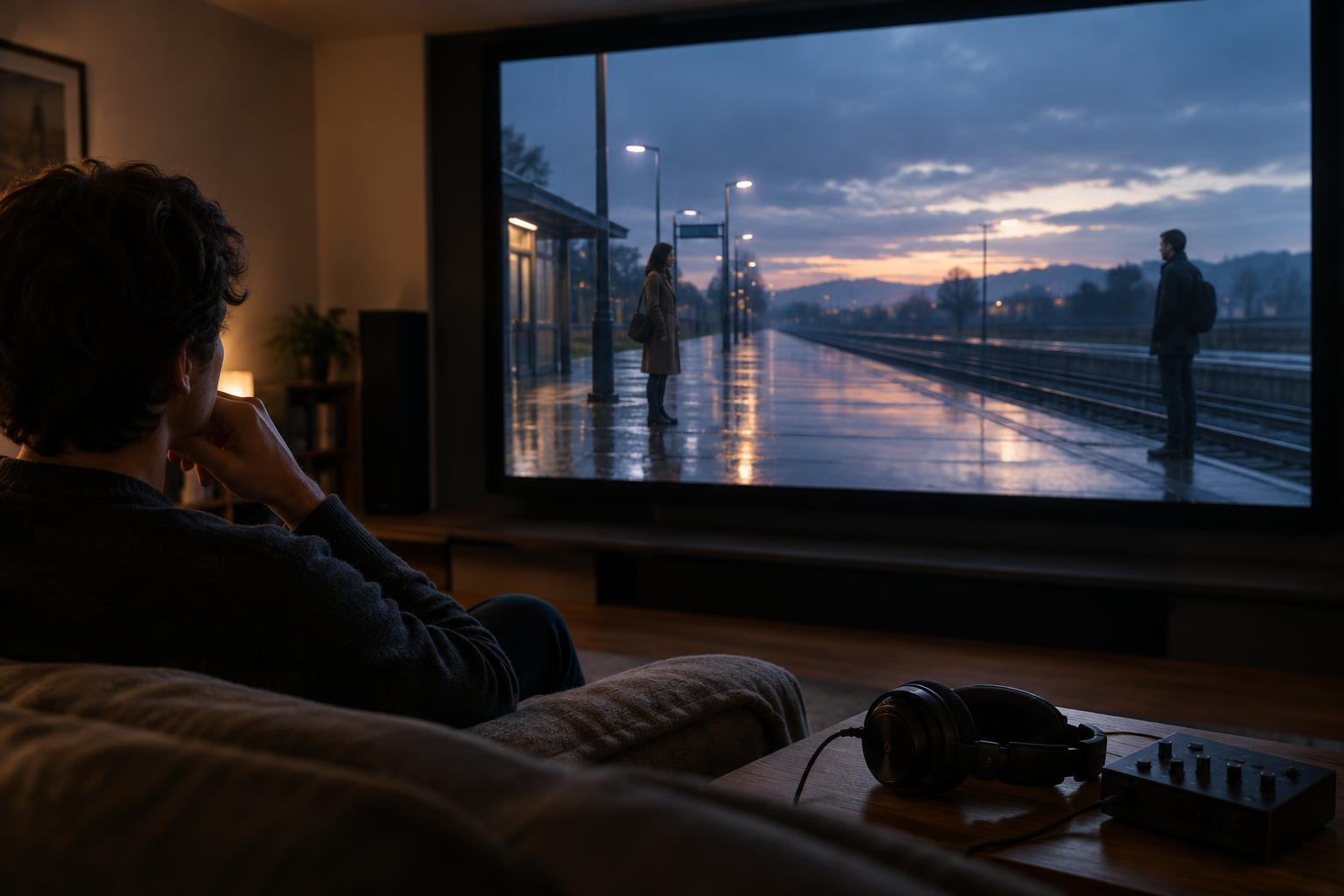
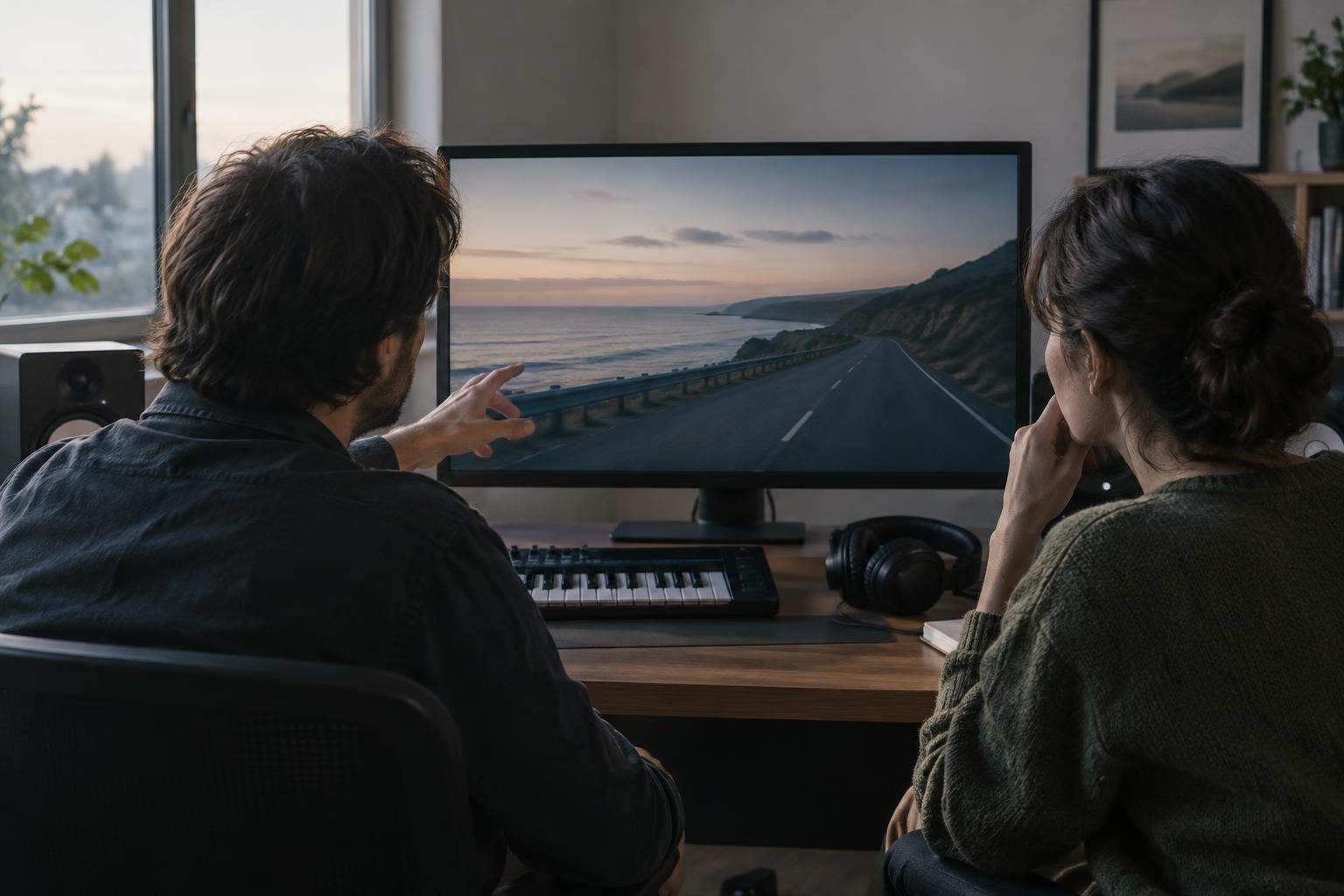
Before a composer writes every cue, filmmakers need to decide which moments call for music at all. This planning process is often called spotting. The director, composer, editor and other sound collaborators watch the film and discuss possible cue locations: where music might start, where it might stop, and what purpose it would serve between those points. The result is a working map, not a promise that every proposed cue will survive the final mix.
A useful spotting question is not simply, “Would music make this more emotional?” Images, dialogue, performances and environmental sound may already be carrying the feeling. Instead, the team can ask what changes when music enters. Does it connect two locations, reveal a character’s expectation, give a sequence momentum or make an uneasy pause harder to ignore? If no clear purpose emerges, leaving the scene unscored may be the stronger choice.
Finding the right entrance
The start of a cue can change how an audience reads an action. Imagine a character opening a letter. Music that begins before the envelope is touched may suggest that the message matters before the character knows why. Music that enters only after they read it keeps the discovery with them. If the cue waits until they fold the letter away, it may draw attention to what they are choosing not to say. The same notes can tell different stories depending on their entrance.
Filmmakers can place an entrance on a visible event, but they do not have to. A cue might begin under a glance, after a line of dialogue, or while the camera holds on an apparently ordinary room. Entering a little before a cut can carry anticipation into the next shot; entering after it can let the new setting establish itself first. These choices are tested against the scene’s rhythm, rather than decided by a rule that every dramatic turn needs a musical accent.
Choosing where music leaves
An exit deserves as much attention as an entrance. When music stops, the audience may suddenly hear footsteps, breathing, traffic or the low hum of a room. That shift can bring a story back to physical reality. A cue that ends before a difficult conversation gives the actors and dialogue space. One that continues through the conversation may suggest a feeling the characters cannot express aloud.
Music can end on a cut, fade beneath a sound effect or stop unexpectedly before a scene is resolved. Each approach creates a different kind of handoff. A clean stop can make the next sound feel sharp; a gradual fade can make the transition less noticeable. In spotting, it helps to identify what should take over when a cue leaves. If the answer is “nothing,” that may be intentional: silence, or near-silence, can leave room for viewers to sit with a moment.
Making space for the rest of the soundtrack
Spotting also involves listening to sounds that are not score. A song playing from a car radio belongs to the characters’ surroundings, while an instrumental cue heard only by the audience serves a different role. A film may move between those kinds of music, or let one seem to become the other. The transition needs attention because it affects where viewers feel they are: inside the scene, outside it, or briefly between the two.
Dialogue and effects place practical limits on a cue. A dense arrangement under quiet speech might compete with important words, while a spare texture could leave the speech clear. An editor may use temporary music while shaping a scene; that track can help everyone discuss pace and mood, but it can also make one solution feel inevitable. Comparing a scene with the temporary track, with a different musical idea and with no music can reveal what the scene actually needs.
Treating the cue map as a conversation
A spotting plan gives the team a shared vocabulary: cue starts here, changes direction there, and ends before the door closes. Yet the exact boundaries may shift once music is composed, performances are edited or the final sound mix brings out details that were easy to miss. A few frames can matter, but the larger question remains whether the cue helps the audience follow the story.
To practice hearing these decisions, watch a familiar scene twice. First, note the actions and sounds you remember. On the second viewing, pay attention to the instant music enters and to the first sound you notice after it ends. Then imagine moving either boundary. Would the scene reveal information sooner, hold back longer or give a performance more room? Spotting is the craft of making those possibilities deliberate.