The room is part of what you hear
A spoon set on a counter does not produce quite the same listening experience in every room. In a tiled kitchen, its clink may seem bright and lingering. In a bedroom with a rug and curtains, a similar sound may seem brief and muted. The object starts the sound, but the room helps determine what reaches your ears.
Sound travels outward from its source. Some of it reaches you directly; some bounces off walls, floors, ceilings and furniture before arriving. Those later arrivals can add a sense of brightness, fullness or distance. Soft materials tend to absorb more sound than hard, bare surfaces, although the effect depends on the material and the sound itself. This is why opening a door into a furnished living room can feel like entering a different sound world, even when nothing else has changed.
Why voices change from room to room
Conversation offers an easy way to notice acoustics. In a room with many hard surfaces, reflected sound can make voices seem lively, but it may also blur the edges of words. If several people speak at once, their voices and reflections overlap. A room with upholstered seating, books and fabric may make speech feel closer and more distinct because fewer reflections linger.
Where you stand matters, too. Speaking across a long table is different from speaking beside someone on a sofa. Move toward a wall and your voice may take on a different character as reflections return from nearby surfaces. A doorway can reveal another change: your voice may sound more open when it carries into an adjoining space. These differences are not necessarily flaws. A resonant room can make a greeting feel expansive, while a quieter one can suit a close conversation.
Footsteps, chores and the rhythm of a space
Everyday actions give a room a recognizable soundtrack. Shoes on a hard floor announce movement clearly; socks on a rug make a softer pattern. Running water, dishes and cupboard doors may create a busy layer of sound in a kitchen. In a hallway, a single closing door might be noticeable because there are fewer other sounds to compete with it.
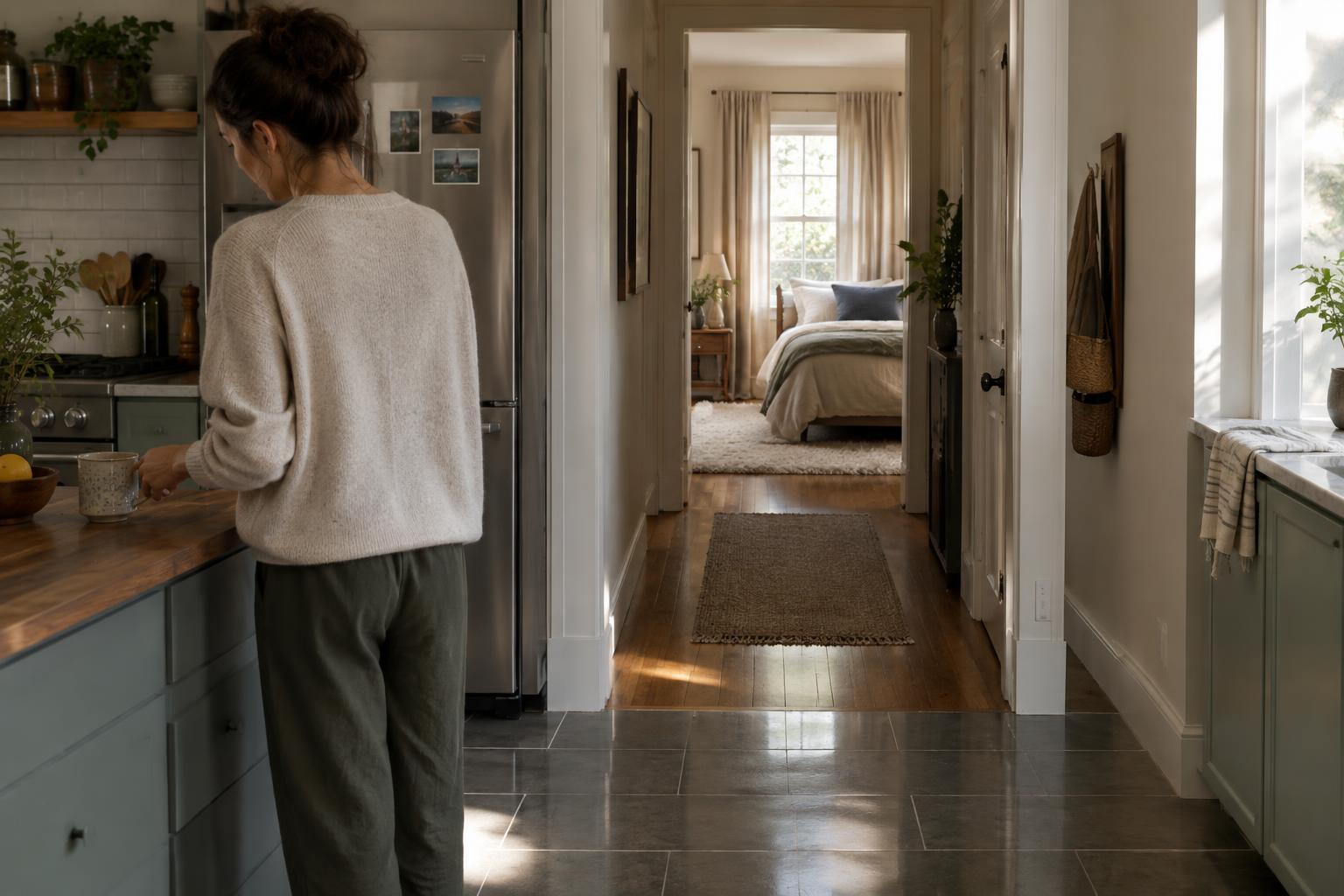
The layout of a space affects how these sounds travel. An open doorway can let a task in one room become part of the background in another. A closed door may reduce that connection without making the rooms silent. Corners, alcoves and large pieces of furniture can also change which sounds stand out from a particular seat. Listening from more than one spot can help explain why a room feels calm during one activity and noisy during another.
Try a simple listening walk
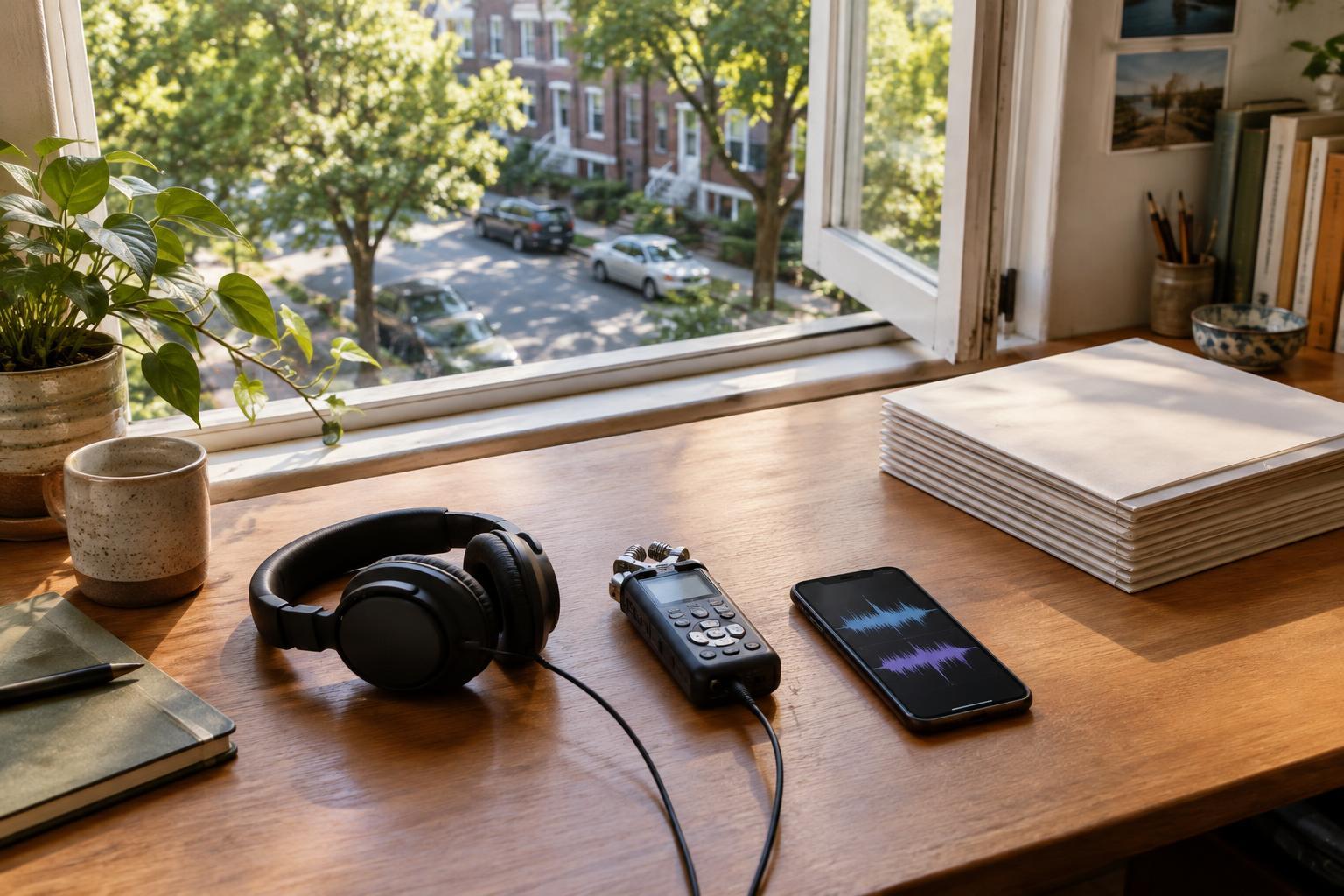
You do not need special equipment to explore your home’s acoustics. Choose an ordinary, repeatable sound, such as a gentle clap or a short spoken phrase. Make it at a comfortable volume in a few different rooms, then pause and listen to how quickly it fades. Notice whether the sound seems sharp, dull, spacious or close. Keep the sound and your position as consistent as you can so the room’s contribution is easier to hear.
Next, listen while doing a familiar task. Does the tap sound different when you stand at the sink rather than near the doorway? Do footsteps become more prominent as you enter a bare corridor? You can also compare a room with curtains open and closed, or listen before and after placing a rug on a hard floor. These are observations, not tests you need to get right. Describing what changes builds a more attentive relationship with the spaces you use every day.
Shape the sound without redesigning the room
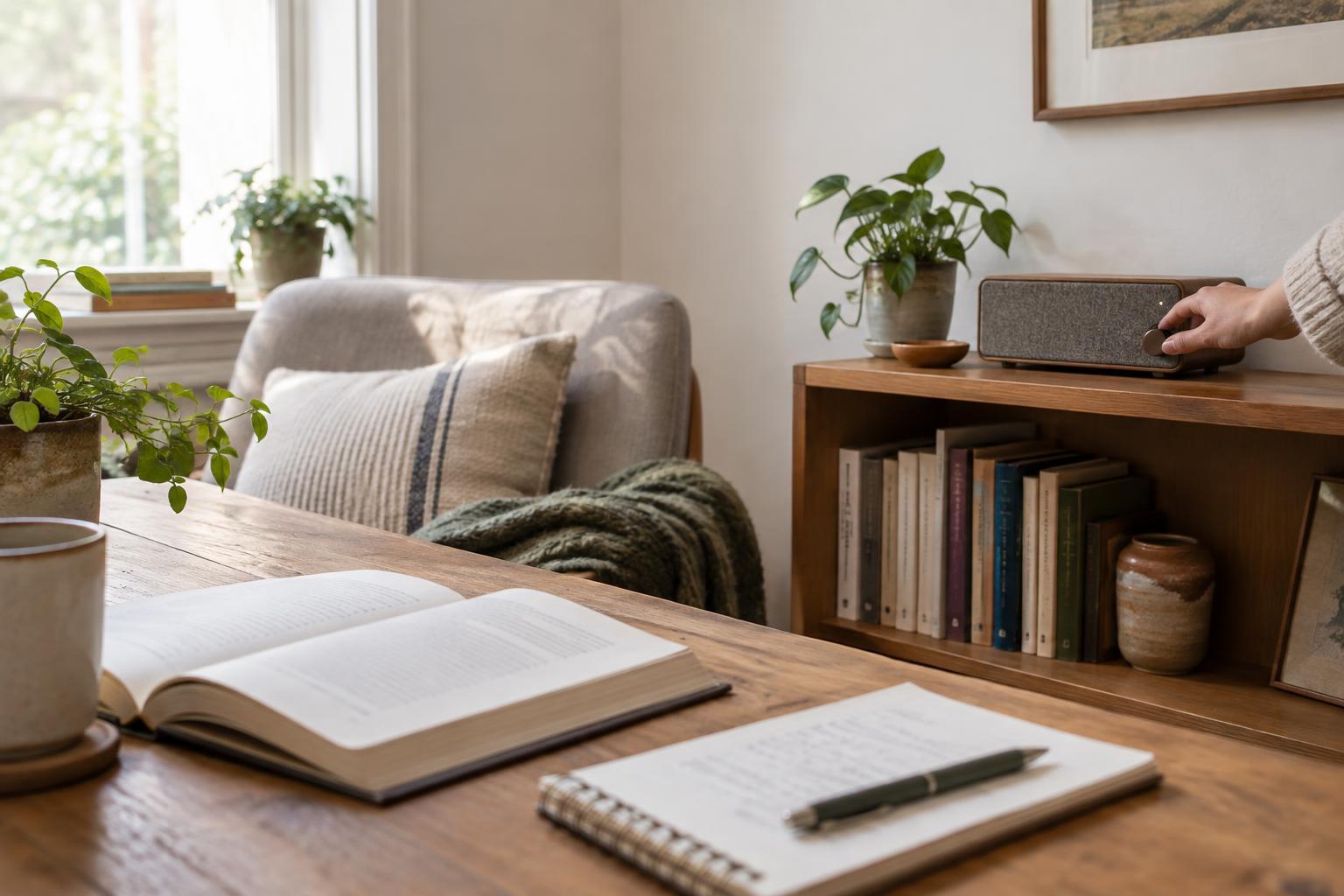
Small changes can make a space more comfortable for a particular activity. If conversation feels hard to follow, try moving chairs closer together or away from a particularly reflective wall. A rug, curtains or upholstered furniture may soften some reflected sound. If music feels muffled in one seat and brighter in another, changing where you sit or where a speaker points may be more useful than turning up the volume.
There is no single ideal acoustic character for a home. A bright room can make ordinary activity feel energetic; a quieter room may invite slower listening. The goal is to notice what each space contributes and decide whether that character suits what you do there. Once you hear the room as part of the sound, familiar activities can reveal details that were there all along.